
Best Aquarium Air Pumps to Buy in September 2026
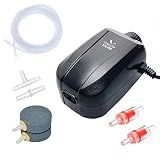
Uniclife 64 GPH Aquarium Air Pump with Dual Outlets Adjustable Quiet Fish Tank Air Pump with Air Stone Airline Tubing Check Valve and Connector Accessories for 10-100 Gallon Fish Tank
- MAX AIR FLOW RATE OF 64 GPH FOR OPTIMAL TANK AERATION.
- ADJUSTABLE AIRFLOW KNOB FOR CUSTOMIZED OXYGEN LEVELS.
- ULTRA-QUIET OPERATION FROM 25 DB – PERFECT FOR ANY SETTING.


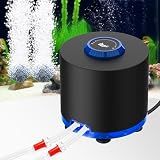
AQQA Aquarium Air Pump, 3W Powerful Dual Outlet Adjustable Oxygen Aerator
-
ENERGY EFFICIENT: HIGH-PERFORMANCE PUMP SAVES ENERGY WITH 100GPH OUTPUT.
-
ULTRA QUIET OPERATION: NOISE LEVEL UNDER 35DB FOR PEACEFUL AQUARIUMS.
-
USER-FRIENDLY DESIGN: EASY AIR FLOW ADJUSTMENT WITH A SIMPLE TOP KNOB.
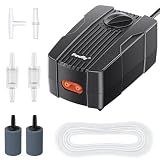
Pawfly Aquarium Air Pump 50 GPH Fish Tank Oxygen Pump for 10-60 Gallon Fish Tanks Buckets Dual Outlet Adjustable Ultra Quiet Aerator Pump with Airline Tubing Air Stones Connectors and Check Valves
-
MAX FLOW RATE OF 50 GPH & LOW POWER USE: EFFICIENT FOR 60-GALLON TANKS.
-
ADJUSTABLE AIR FLOW: CUSTOMIZE TO KEEP FISH OR ROOTS THRIVING EASILY.
-
ULTRA QUIET OPERATION: NOISE BELOW 30 DB FOR A PEACEFUL ENVIRONMENT.
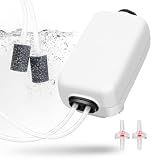
AQUANEAT Aquarium Air Pump, 100gal Fish Tank Air Bubbler, Adjustable Dual-Outlet Hydroponic Oxygen Aerator with Stones, Airline Tubing, Check Valves
- PERFECT FOR UP TO 100-GAL TANKS; COMPACT 4X2.25X1.75 DESIGN.
- DUAL OUTLETS POWER FILTERS & AIR STONES FOR THRIVING AQUATIC LIFE.
- ADJUSTABLE AIRFLOW & QUIET OPERATION FOR STRESS-FREE ENVIRONMENT.
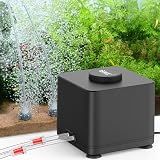
hygger Aquarium Air Pump, Quiet Adjustable Fish Tank Air Pump, 4W/7W/11W Powerful Oxygen Aerator Dual Stainless Steel Outlets with Air Stone Bubbler for Small Medium Large Fish Tank, Hydroponic, 4W
- ENERGY EFFICIENT: SAVE ON BILLS WITH ONLY 4W ENERGY CONSUMPTION.
- ADJUSTABLE AIRFLOW: TAILOR AIRFLOW TO YOUR TANK'S UNIQUE NEEDS EASILY.
- WHISPER-QUIET OPERATION: ENJOY PEACE WITH NOISE AS LOW AS 35 DB.
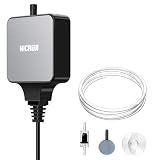
NICREW Nano Silent Aquarium Air Pump, Black, for up to 10 Gallon Fish Tank
- KEEP FISH HEALTHY WITH HIGH OXYGEN LEVELS AND WATER MOVEMENT.
- ENJOY A VIRTUALLY SILENT OPERATION FOR A PEACEFUL AQUARIUM EXPERIENCE.
- SPACE-SAVING DESIGN EASILY ATTACHES TO ANY AQUARIUM WALL WITH SUCTION.
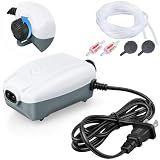
HITOP Dual Outlet Aquarium Electric Air Pump, Whisper Adjustable Fish Tank Aerator, Quiet Oxygen Pump with Accessories for 10 to 100 Gallon
- SUPER SILENT OPERATION WITH SOFT RUBBER PADS FOR MINIMAL NOISE.
- ADJUSTABLE AIR VOLUME FOR SAFER, CONSISTENT PERFORMANCE.
- COMPLETE PACKAGE INCLUDES ALL NECESSARY ACCESSORIES FOR SETUP.
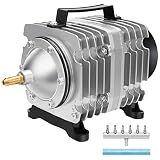
AquaMiracle Aquarium Air Pump Commercial Air Pump with Aluminum Housing, 18W/600GPH Fish Tank Bubbler Pond Aerator for Aquariums, Ponds, Hydroponics
-
HIGH FLOW & PRESSURE: 600GPH OUTPUT POWERS ALL YOUR AERATION NEEDS.
-
DURABLE DESIGN: ALUMINUM HOUSING COOLS EFFICIENTLY FOR LONGEVITY.
-
VERSATILE USE: PERFECT FOR AQUARIUMS, PONDS, AND HYDROPONICS SETUPS.
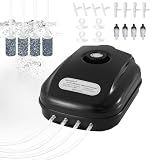
AQUANEAT Aquarium Air Pump 300GPH, for up to 200 Gallon Fish Tank, Powerful Hydroponic Aerator Pump with Tubing, Air Stones, Valves
-
POWERFUL 300GPH OUTPUT: EFFORTLESSLY AERATE MULTIPLE TANKS AND PONDS!
-
ADJUSTABLE AIRFLOW CONTROL: CUSTOMIZE OXYGEN LEVELS FOR OPTIMAL HEALTH!
-
WHISPER-QUIET OPERATION: ENJOY PEACE AND TRANQUILITY WITH SILENT EFFICIENCY!
Dive into the World of Aquarium Air Pumps
Aquarium enthusiasts understand that creating a thriving aquatic environment is about more than just a fish tank and water. One of the most vital components in this ecosystem is the aquarium air pump, a small device that plays a big role in keeping your aquatic friends happy and healthy. Whether you're a seasoned aquarist or a beginner, understanding how air pumps operate and selecting the right one are crucial steps in ensuring your fish and plants flourish.
Why Aquarium Air Pumps Matter
Aquarium air pumps are essential for maintaining adequate oxygen levels in your tank. They work by pumping air into your aquarium, which then rises to the surface in bubbles, creating water movement and oxygen exchange. This not only enhances the quality of water but also aids in the prevention of stagnant or dead zones, thereby reducing the likelihood of algae build-up.
Key Benefits
- Improved Oxygenation: Essential for fish respiration and plant health.
- Water Circulation: Prevents water from becoming stagnant.
- Aeration for Aesthetic Appeal: Bubbles create a visually appealing effect.
How Aquarium Air Pumps Work
An aquarium air pump sits outside the tank and connects via tubing. The pump pushes air through the tubing and into the water through airstones or ornamental bubblers, creating bubbles. These bubbles travel to the surface, promoting circulation and gas exchange. Most pumps are adjustable, allowing you to control the air flow to suit different tank sizes and types.
How to Choose the Right Aquarium Air Pump
Selecting the perfect aquarium air pump is essential for maintaining your aquarium’s health. Here are some factors to consider:
1. Tank Size
The size of your aquarium directly influences the type of pump you should choose. A larger tank will require a more powerful pump to ensure adequate air circulation throughout.
2. Noise Level
Consider how much noise you're willing to tolerate. While some air pumps can be quiet, others may produce noise that could be disruptive depending on where your aquarium is located.
3. Pump Placement
Make sure to place the pump higher than the water level to prevent back-siphoning, which could damage the pump or lead to water spills.
4. Energy Efficiency
Look for energy-efficient models that reduce electricity costs without compromising performance.
5. Multi-Tank Capability
If you maintain multiple aquariums, consider an air pump with the capability to handle more than one tank via multiple outlets.
6. Variable Air Flow
A pump with adjustable air flow allows you to tailor the output to match the needs of different tanks and species.
Installation Tips for Optimal Performance
- Ensure tight and secure connections between all components.
- Regularly check and clean airstones and tubing to avoid blockages.
- Position your pump away from heat sources to ensure longevity.
For additional insights into setting up your tank, check out these fish tank deals 2023 and betta fish tank discounts, which provide economical options without compromising quality.
Frequently Asked Questions
Do I need an air pump for my aquarium?
While not always strictly necessary, air pumps are highly recommended for their benefits like improved oxygenation and water movement, which support fish and plant health.
How long should I run my aquarium air pump?
It's generally advisable to operate the air pump continuously to maintain stable oxygen levels. However, some aquarists choose to shut it off at night, assessing their specific setup needs.
Can I use one air pump for multiple tanks?
Yes, if the pump has multiple outlets or can handle the combined volume of the tanks. Ensure that adequate air flow reaches each tank for best results.
What maintenance does an aquarium air pump require?
Regularly check and clean airstones to prevent calcuim build-up, and inspect tubing for leaks or blockages. Also, replace any worn out components as needed to maintain efficiency.
Conclusion
An aquarium air pump is an indispensable part of a thriving aquatic environment. Its ability to oxygenate water, support beneficial bacteria, and enhance the overall appearance of a tank makes it a must-have for any aquarist. By considering factors like tank size, noise level, and energy efficiency, you can choose the right air pump that fits your needs and budget. Keep your underwater friends happy and healthy by making informed decisions about your aquarium setup.