
Best Aquarium Substrate to Buy in September 2026
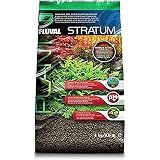
Fluval 12694 Plant and Shrimp Stratum for Freshwater Fish Tanks, 8.8 lbs.
- BOOST PLANT GROWTH WITH EASY NUTRIENT ABSORPTION AND ROOT PENETRATION!
- ENSURE A THRIVING AQUATIC ENVIRONMENT WITH RAPID BENEFICIAL COLONIZATION!
- PROTECT NEWBORN SHRIMP AND MAINTAIN OPTIMAL PH FOR VIBRANT ECOSYSTEMS!



Aqua Natural Aquarium Substrate, Diamond Black Fine Gravel, 10lb
-
SAFE FOR AQUATIC LIFE: 100% NATURAL MATERIAL ENSURES A SAFE HABITAT.
-
PROMOTES HEALTHY BACTERIA: LARGE SURFACE AREA SUPPORTS BENEFICIAL GROWTH.
-
STUNNING VISUAL APPEAL: SPARKLING QUARTZ ENHANCES YOUR AQUARIUM'S BEAUTY.
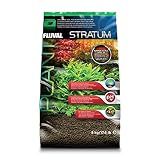
Fluval 12695 Plant and Shrimp Stratum for Freshwater Fish Tanks, 17.6 lbs.
- BOOST PLANT GROWTH WITH EASY ROOT PENETRATION AND NUTRIENT ABSORPTION.
- ENCOURAGE BENEFICIAL ORGANISM COLONIZATION FOR A THRIVING AQUATIC HABITAT.
- MAINTAIN OPTIMAL PH LEVELS FOR VIBRANT PLANTS AND HEALTHY AQUATIC LIFE.
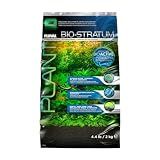
Fluval 12696 Volcanic Soil Bio Stratum for Planted Tanks, 4.4 lbs.
- BOOSTS ROBUST PLANT GROWTH FOR VIBRANT, LUSH AQUARIUM FOLIAGE.
- ACTIVATES BENEFICIAL WATER CONDITIONS FOR A BALANCED ECOSYSTEM.
- LIGHTWEIGHT SUBSTRATE ENHANCES ROOT PENETRATION AND GROWTH.
Aqua Natural Bio-Substrate, Galaxy Sand, 5lb (Wet)
- INSTANTLY CYCLES AQUARIUM WITH LIVE NITRIFYING BACTERIA.
- SUPPORTS HEALTHY GROWTH OF AQUATIC PLANTS.
- BIO-ACTIVE FORMULA FOR THRIVING FISH ECOSYSTEMS.
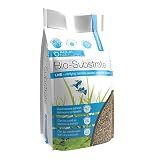
Aqua Natural Bio-Substrate, Delta Sand, 5lb (Wet)
- INSTANT CYCLING: BOOST YOUR AQUARIUM'S HEALTH IMMEDIATELY WITH NO WAIT!
- VERSATILE USE: MIX WITH AQUA NATURAL DELTA SAND OR USE ALONE EFFORTLESSLY.
- ECO-FRIENDLY & SAFE: 100% NATURAL, SUSTAINABLY SOURCED FOR PEACE OF MIND.
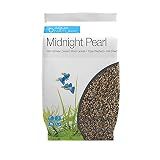
Aqua Natural Aquarium Substrate, Midnight Pearl Gravel, 10lb
- CLEAN AND SAFE: TRIPLE WASHED, KILN DRIED-100% TOXIN-FREE SUBSTRATE.
- PERFECTLY GRADED: CONSISTENT 2-4MM SIZING FOR STUNNING AQUASCAPES.
- ECO-FRIENDLY CHOICE: SUSTAINABLY SOURCED IN NEW ZEALAND FOR PEACE OF MIND.
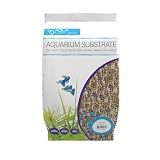
Aqua Natural Aquarium Substrate, Gold Pearl Gravel, 10lb
- 100% AQUARIUM SAFE GRAVEL FOR VIBRANT AQUATIC HABITATS.
- TRIPLE WASHED FOR CRYSTAL-CLEAR CLARITY AND SAFETY.
- UNIQUE NZ PEBBLES ADD STUNNING COLOR AND TEXTURE TO ANY SETUP.
Introduction
Are you ready to transform your aquarium into a stunning aquatic world? The right aquarium substrate can make all the difference in creating a vibrant and healthy environment for aquatic life. From boosting the health of your aquatic plants to providing a natural habitat for your fish, the substrate is a crucial component for any aquarium enthusiast. In this article, we'll dive deep into understanding aquarium substrates and guide you on how to find the best deals that align with your needs.
What is Aquarium Substrate?
Aquarium substrate refers to the material used at the bottom of an aquarium. It plays a fundamental role beyond aesthetics, affecting the health and behavior of the aquarium's inhabitants. Available in various forms such as gravel, sand, or specialized soil, substrates serve critical functions like filtration, promoting beneficial bacteria growth, and offering a natural look to your tank.
Types of Aquarium Substrates
-
Gravel: A popular choice for beginners, gravel is widely available in many sizes and colors, making it versatile and easy to maintain.
-
Sand: Often used in planted tanks or for species that prefer a softer substrate, sand provides a more natural and smooth appearance.
-
Soil: Ideal for planted aquariums, soil substrates are rich in nutrients that support healthy plant growth, leading to a balanced ecosystem.
-
Crushed Coral: Often used to increase the pH levels in freshwater tanks, making it suitable for certain fish types that thrive in higher pH conditions.
-
Bare Bottom: Some enthusiasts opt-out of using any substrate, which simplifies cleaning but sacrifices the benefits substrates provide.
The Importance of Choosing the Right Substrate
Selecting the appropriate substrate is vital for the health of your tank. Not only does it affect the filtration system and water chemistry, but it's also crucial for the comfort and well-being of your fish. Furthermore, for planted tanks, the substrate can significantly influence plant health and growth rates.
How to Choose the Right Aquarium Substrate
Before diving into deals, let's decode how to choose the right substrate for your aquarium:
-
Aquarium Type: Different substrates suit different tank types. For instance, planted tanks benefit from nutrient-rich soils, while reef tanks may require calcium-rich substrates.
-
Fish Type: Research the substrate preferences of your fish species. Some fish enjoy digging, thus softer substrates like sand are preferable, while others may thrive with gravel.
-
Maintenance: Consider how much time you can dedicate to tank maintenance. Some substrates, like sand, may require more cleaning effort.
-
Aesthetic Goals: Substrate color and texture can dramatically alter the look of your tank, aligning with your vision of the perfect aquascape.
-
Budget: While shopping for the best deals, weigh the cost against functionality. Sometimes, a slightly more expensive option may offer long-term benefits.
Remember, while choosing substrates, ensure they creditably uphold the pH and water condition parameters. This balance can be verified using best fish tank test kits.
Tips for Finding the Best Aquarium Substrate Deals
Finding affordable yet high-quality substrates requires a little patience and strategic shopping:
-
Seasonal Sales: Keep an eye out for sales around major holidays as retailors often mark down prices.
-
Online Marketplaces: Use online platforms that offer competitive prices and sometimes additional deals or discounts.
-
Bulk Purchases: Consider buying in bulk if prices are significantly lower, especially if you have multiple tanks or a large one.
-
Local Pet Stores: Don’t underestimate the value local pet shops can offer through memberships or periodic sales events.
Opting for small tank setups? Find deals on best compact fish tanks for a perfect match with your choice of substrate.
FAQs
What is the best substrate for a planted tank?
For planted tanks, a nutrient-rich soil substrate is usually best as it provides essential nutrients required for healthy plant growth.
Can I mix different types of substrates?
Yes, combining substrates can create a more natural look and cater to the needs of various species in your tank. However, be mindful of compatibility and possible changes to water chemistry.
How often should I replace my aquarium substrate?
Substrate replacement frequency varies depending on the type. In general, gravel substrates may not need replacing, but nutrient-rich soils might require renewal every couple of years.
Is substrate necessary in an aquarium?
While some setups function without substrate, it’s usually recommended due to the essential benefits like biological filtration and natural appearance enhancement.
Conclusion
Choosing the right aquarium substrate is a pivotal decision that affects the entire ecosystem of your tank. By considering your aquatic inhabitants' needs, tank type, and maintenance capacity, you can select the right substrate and find excellent deals that offer quality without breaking the bank. Whether you're enhancing your aquascape or ensuring the optimal living conditions for your fish, the right substrate will set the foundation for success.