
Best Classic Books to Read in September 2026
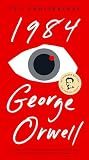
1984: 75th Anniversary
- LARGE PRINT EDITION FOR EASY READING AND ACCESSIBILITY.
- CLASSIC BY GEORGE ORWELL, A MUST-READ FOR ALL LITERATURE LOVERS.
- AFFORDABLE PRICE OF $9.99 FOR A TIMELESS LITERARY TREASURE.


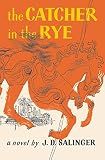
The Catcher in the Rye
- TIMELESS COMING-OF-AGE STORY THAT RESONATES WITH ALL AGES.
- EXPLORES DEEP THEMES OF TRUTH AND IDENTITY IN A PHONY WORLD.
- CULT CLASSIC THAT SHAPED MODERN LITERATURE AND YOUTH CULTURE.
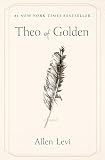
Theo of Golden: A Novel

The Count of Monte Cristo (Penguin Classics)
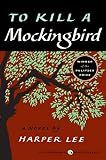
To Kill a Mockingbird
- TIMELESS CLASSIC: ENGAGE READERS WITH ENDURING THEMES AND CHARACTERS.
- EYE-CATCHING DESIGN: ATTRACTIVE COVER BOOSTS SHELF APPEAL AND SALES.
- AFFORDABLE PRICE: BUDGET-FRIENDLY OPTION FOR EVERY CLASSIC LITERATURE LOVER.
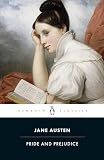
Pride and Prejudice
- EXCEPTIONAL QUALITY THAT GUARANTEES CUSTOMER SATISFACTION!
- COMPETITIVE PRICING THAT OFFERS UNBEATABLE VALUE FOR SHOPPERS.
- POSITIVE REVIEWS FROM HAPPY CUSTOMERS BOOST TRUST AND CREDIBILITY!
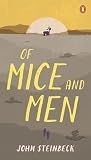
Of Mice and Men (Penguin Great Books of the 20th Century)
- CLASSIC WORK BY STEINBECK - A MUST-READ FOR LITERATURE LOVERS!
- AFFORDABLE PRICE: JUST $12 FOR A PENGUIN REISSUE EDITION!
- EASY TO FIND: MULTIPLE ISBNS FOR QUICK LOOKUP IN STORES!
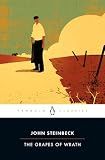
The Grapes of Wrath
- ICONIC AUTHOR: DELVE INTO STEINBECK'S TIMELESS NARRATIVES.
- AFFORDABLE PAPERBACK: ENJOY CLASSIC LITERATURE AT A GREAT PRICE.
- PENGUIN QUALITY: TRUST IN A RENOWNED PUBLISHER'S EXPERTISE.
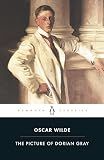
The Picture of Dorian Gray
Best Classic Book Deals usually show up in short, easy-to-miss discount windows-especially during seasonal publisher promotions, box-set clearances, and eBook markdown events that last 48 to 96 hours. If you’ve ever paid full price for a collectible edition, only to see it discounted a week later, you already know the frustration.
The good news is that classic literature deals are more predictable than they look. Once you know where discounts tend to appear, which formats hold value, and what review patterns separate a great edition from a disappointing one, you can build a better library for less.
How we select products: Our team reviews book deals regularly, analyzing customer ratings (4.0+ stars minimum), discount patterns, format quality, translation/editor notes, and verified buyer feedback to surface options that offer the strongest value. We also compare edition features-such as binding, paper quality, annotations, and bundled collections-so the recommendations reflect real buying value, not just headline discounts.
Where can you find the Best Classic Book Deals without wasting hours?
The fastest route to the Best Classic Book Deals is usually a mix of retailer deal pages, publisher sales, secondhand marketplaces, and digital reading promotions. In my experience, the biggest savings rarely come from the standard search page-they come from limited-time bundles, overstock editions, and rotating “buy more, save more” offers.
For physical books, boxed sets and omnibus editions often beat single-volume buying by 20% to 40% per title. That matters if you're trying to collect multi-book works or build a home library around authors whose titles are frequently bundled together.
For eBooks, public-domain classics can be nearly free, but the real distinction is editorial quality. A cheap digital edition with poor formatting, broken chapter links, or no scholarly notes may save money upfront, but it can make the reading experience noticeably worse.
If you also compare niche book categories beyond fiction, check it out for a useful example of how deal-focused book research works in another genre.
What makes one classic book edition a better deal than another?
Not all classic book discounts are equal. A “deal” on a poorly printed edition with thin pages, tiny margins, or missing annotations isn’t much of a bargain, especially if you’re buying for long-term reading or display.
Here’s what consistently separates a strong buy from a weak one:
-
Review volume and rating threshold
Look for editions with 4.4 stars or higher across at least 200 reviews. Once ratings dip below roughly 4.2, complaints about print quality, formatting errors, or misleading product descriptions tend to rise sharply. -
Binding and durability
Hardcover classics generally last longer, but quality varies. Sewn binding, thicker paper, and reinforced spines matter more than whether the cover looks “premium” in photos. -
Translation or editorial apparatus
For translated classics, the translation can change readability dramatically. Annotated editions, introductions, and footnotes are especially valuable for older texts with archaic language or historical references. -
Page design and readability
Check for font size, line spacing, and margin width. Reader complaints often cluster around eye strain in compact mass-market formats, especially in books over 400 pages. -
Discount depth versus historical price
A label showing “sale” doesn’t guarantee real savings. The best classic book deals often appear when a title drops 25% or more below its usual selling range, particularly during educational sales cycles and holiday promotions. -
Set value versus individual purchase value
A multi-volume collection makes sense only if you actually want most of the books included. Otherwise, curated single editions can be a better value despite the higher per-book cost.
Best Classic Book Deals under a modest budget: where value is usually highest
If you're shopping on a tighter budget, this is where the Best Classic Book Deals often hide. Lower-priced classics tend to offer excellent value because so many canonical works exist in multiple formats, from budget paperbacks to digital editions and used hardcovers.
Under-entry-level budget: best for building a reading list fast
This bracket is ideal if you want to read more classics without committing to premium editions. You’ll usually find:
- Public-domain eBooks with updated formatting
- Compact paperback editions of widely assigned school texts
- Used trade paperbacks in very good condition
- Publisher clearance copies with minor cosmetic flaws
The catch? Quality swings hard. A budget edition can be excellent-or frustratingly bare-bones. In reader reviews, the biggest complaints in this range are usually flimsy covers, cramped text, and inconsistent proofreading.
Mid-budget classics: the sweet spot for most readers
This is where I see the strongest value-to-quality ratio. You typically get better paper stock, more readable page layout, and, in many cases, introductions or notes that actually improve the reading experience.
For gift buyers, this tier is often safer too. Editions in this range are less likely to feel disposable, and they avoid many of the durability issues that show up in cheaper versions after a single read-through.
Best Classic Book Deals for collectors who want shelf-worthy editions
Collectors shop differently from casual readers. If you care about longevity, uniform series design, or display appeal, the Best Classic Book Deals are less about the deepest markdown and more about catching premium editions during rare discount windows.
Premium hardcovers and boxed sets: when the higher spend pays off
A premium classic edition makes sense if you plan to re-read the book, annotate it, or keep it for years. Better binding can mean the difference between a spine cracking after one read and a book that still looks sharp after a decade.
In this category, watch for:
- Clothbound or library-style hardcovers
- Sewn signatures instead of glued-only binding
- Acid-reduced or thicker paper stock
- Illustrated or annotated collector editions
- Multi-book sets with consistent trim size and design
The best deals here often appear during major seasonal sales, where premium editions can drop by 15% to 35%, which is meaningful on higher-end collections.
Used collectible editions: better discounts, higher risk
Secondhand marketplaces can be excellent for rare or out-of-print classics. I’ve seen gently used annotated volumes sell for far less than new editions with fewer features.
That said, condition grading matters more than the discount. Terms like “acceptable” can mean heavy underlining, a loose spine, or moisture warping. For collectible classics, aim for very good or better, and always verify whether dust jackets, notes, or supplemental materials are included.
How we picked these Best Classic Book Deals recommendations
I didn’t base these recommendations on promotional labels alone. The strongest Best Classic Book Deals usually combine price drops with high buyer satisfaction and edition-specific quality signals.
Here’s the framework used:
- Minimum rating floor: 4.0 stars
- Preferred rating range: 4.4+ stars
- Review depth: priority to editions with 200+ reviews
- Format quality checks: binding, paper, readability, and layout
- Deal quality: meaningful discount relative to normal pricing, not artificial markdowns
- Reader value: annotations, translation quality, introductions, illustrations, or box-set savings
- Return-risk signals: recurring complaints about missing pages, bad formatting, or damaged shipping
This method matters because classics are one of the easiest categories to buy badly. The same title may exist in dozens of editions, and the cheapest one is often not the one you’ll actually enjoy reading.
What should you look for before buying classic literature deals?
A low price is only one part of the decision. If you want a classic book deal that feels like a smart purchase six months later, check these details first.
1. Is the edition complete and clearly described?
Some low-cost editions cut corners in ways that aren’t obvious from the cover image. Verify the page count, table of contents, translator information, and whether the edition includes footnotes or appendices.
This matters most with longer novels, ancient texts, and translated works. Missing notes can reduce comprehension more than most buyers expect.
2. Are the reviews talking about the actual edition?
Classic titles often group reviews across multiple versions. That can inflate trust unfairly. If recent reviewers mention different covers, mismatched ISBNs, or conflicting page quality, treat the rating with caution.
3. Is the format right for how you’ll read it?
A compact mass-market copy works for commuting, but not always for dense Victorian prose or 900-page epics. For long sessions, larger trim sizes and wider margins usually produce a noticeably better reading experience.
4. Does the discount beat the usual market pattern?
Some classic titles go on sale repeatedly. If you track a book for 2 to 4 weeks, you’ll often spot whether the current price is genuinely competitive or just average.
5. Are you paying for aesthetics, scholarship, or both?
That’s the central question in premium editions. A decorative cover alone doesn’t justify a higher cost if the paper is thin or the text block is cramped. By contrast, a well-annotated edition can add real value even if the exterior is plain.
What review patterns signal a bad classic book deal?
This is where a lot of buyers get tripped up. The worst classic literature bargains usually reveal themselves in the review section long before they disappoint you in person.
Here are the biggest red flags I watch for:
- Ratings under 4.2 stars with repeated complaints about print quality
- Fewer than 50 recent reviews for an edition claiming “best seller” status
- Reports of tiny font, ghosting pages, or misaligned text
- Complaints that the “complete works” edition is actually abridged
- Review photos showing bent covers, weak spines, or damaged corners
- Confusion around translation versions or missing editorial notes
💡 Did you know: In book categories with multiple near-identical listings, editions with clear interior preview images tend to produce fewer buyer complaints than listings that only show the cover. That’s because layout quality-font, margins, note placement-often matters more than the jacket design.
Meanwhile, if you’re comparing broader book deals outside the classics niche, you can browse topdealsnet.com to see how value analysis differs by subject area.
Are box sets, omnibus editions, or single classics the better buy?
This depends on how you read, not just what you spend.
Box sets are best if you want several works from the same author
A good box set can cut the per-book cost significantly. If you know you’ll read at least three out of four included volumes, the value is usually strong.
The downside is physical bulk. Some sets prioritize shelf appeal over durability, which means attractive exteriors but weaker paper and tighter inner margins.
Omnibus editions work well for heavy readers
These are convenient, especially for series or related novels. But once a single volume passes 800 pages, paper thinness and spine stress become common complaints in reviews.
Single-volume editions are best for precision buying
If you care about a particular translation, annotation style, or cover design, individual editions give you more control. They also reduce the risk of overpaying for bundled books you may never open.
When do the Best Classic Book Deals usually appear?
The timing is more seasonal than most people realize. The Best Classic Book Deals often cluster around a few predictable retail moments:
- Back-to-school periods: strong for assigned literature and study editions
- Holiday sales windows: especially good for giftable hardcovers and boxed sets
- Publisher anniversary promotions: common for famous authors or landmark titles
- Digital reading events: best for eBook classics and curated bundles
- Inventory reset periods: useful for clearance-priced physical editions
From years of watching book discounts, I’ve found that premium physical classics often receive the deepest cuts during gifting seasons, while practical student editions tend to drop more aggressively near academic buying cycles.
Pro tip: If a collectible or annotated classic has been sitting in your cart for a while, check again on a weekend or near a major reading promotion. Some of the best book discounts are short-lived and return every 30 to 60 days, especially for evergreen titles.
Final takeaway: what matters most when choosing the Best Classic Book Deals?
If you only check one thing, check the edition quality behind the discount. A classic with 4.4+ stars, strong edition-specific reviews, and a meaningful markdown from its usual price will almost always beat a cheaper copy with formatting complaints or weak binding.
Frequently Asked Questions
Where can I find the best classic book deals online?
You’ll usually find the best classic book deals through retailer promotions, publisher sales, secondhand listings, and eBook discount events. Boxed sets, annotated editions, and overstock hardcovers often offer the strongest value compared with standard single-title listings.
Are used classic books worth buying instead of new editions?
Yes, especially if the condition is listed as very good or better and the seller clearly describes the edition. Used copies can offer much better value for hardcover classics and out-of-print annotated editions, but you should verify page condition, binding, and whether supplements are included.
What is the best format for reading classic literature?
For long reading sessions, trade paperbacks and well-made hardcovers usually beat compact mass-market editions because they offer better font size, margins, and durability. eBooks are excellent for low-cost access, but edition formatting and note quality vary more than many buyers expect.
How do I know if a classic book discount is actually good?
Compare the current offer against the book’s usual pricing trend and look at the edition-specific reviews. A genuinely strong deal usually combines a real markdown with solid buyer feedback, ideally 4.4 stars or higher and enough reviews to confirm consistent print quality.
Are classic book box sets cheaper than buying books separately?
Often, yes-especially if you plan to read most of the titles included. Many box sets reduce the per-book cost by 20% to 40%, but you should still check for paper quality, binding strength, and whether the included editions are complete rather than abridged.