
Best Large Fish Tanks to Buy in September 2026
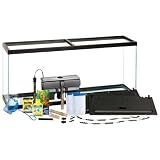
Tetra Complete 55 Gallon Fish Tank Kit for Freshwater & Saltwater Fish
- ALL-IN-ONE KIT: 55-GALLON TANK + ESSENTIAL ACCESSORIES INCLUDED!
- ENERGY-EFFICIENT LEDS CREATE STUNNING UNDERWATER SHIMMER EFFECTS.
- POWERFUL FILTER + HEATER ENSURE CLEANER WATER AND HAPPY FISH!


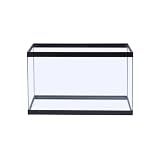
Tetra 29 Gallon Glass Aquarium, Rectangular Fish Tank
- IDEAL HOME FOR FISH: STYLISH RECTANGULAR GLASS DESIGN.
- CUSTOMIZE WITH TETRA'S FILTRATION AND LIGHTING ACCESSORIES.
- PERFECT FOR ALL AQUARISTS: TETRA SUPPORTS EVERY SKILL LEVEL!
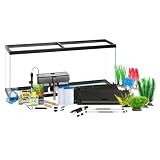
Tetra Complete with Plants 55 Gallon Fish Tank Kit, Freshwater & Saltwater
- ALL-IN-ONE KIT: COMPLETE 55-GALLON AQUARIUM KIT FOR EASY SETUP.
- ENERGY-EFFICIENT LEDS: ENJOY SHIMMERING UNDERWATER LIGHT EFFECTS.
- POWERFUL FILTER SYSTEM: KEEP WATER CLEAN AND FISH HEALTHY EFFORTLESSLY.
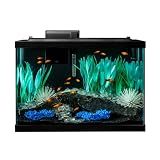
Tetra Color Complete 20 Gallon Fish Tank Kit for Freshwater, Saltwater Fish
- TRANSFORM YOUR AQUARIUM WITH CUSTOMIZABLE, COLOR-CHANGING LED LIGHTS.
- ANEMONES CREATE A COZY HIDEAWAY FOR FISH WHILE SWAYING ELEGANTLY.
- COMPLETE KIT INCLUDES ALL ESSENTIALS FOR A VIBRANT UNDERWATER WORLD.
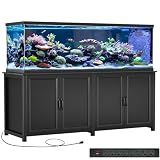
GDLF 180-200 Gallon Large Fish Tank Stand,Furniture-Style Aquarium Stand
- SUPPORTS UP TO 200 GALLON TANKS: FITS LARGE AQUARIUMS WITH EASE.
- STRENGTH YOU CAN TRUST: HOLDS 2200 LBS ON TOP; STURDY STEEL FRAME.
- SMART STORAGE & POWER ACCESS: AMPLE SPACE WITH 8-OUTLET CONVENIENCE.
TFK 55-75 Gallon Fish Tank Stand, 75 Gallon Aquarium Stand, 1100LBS, Black
-
STURDY DESIGN: SUPPORTS UP TO 1100 LBS, ENSURING STABILITY FOR LARGE TANKS.
-
AMPLE STORAGE: FEATURES CUSTOMIZABLE SHELVES, DRAWERS, AND CABINETS.
-
VERSATILE USE: PERFECT FOR AQUARIUMS, REPTILES, AND STYLISH HOME STORAGE.
Hlivelood Farmhouse 55-75 Gallon Fish Tank Stand with Power Outlet, Aquarium Stand w/Cabinet&Sliding Barn Door, Heavy Duty Reptile Tank Stand for Fish/Turtle/Reptile Terrarium, 1000LB Capacity, Grey
-
HOLDS 2 AQUARIUMS & FITS 55-75 GALLON TANKS FOR ULTIMATE VERSATILITY.
-
AMPLE STORAGE WITH ADJUSTABLE SHELVES AND STYLISH BARN DOORS INCLUDED.
-
BUILT-IN CHARGING STATION FOR YOUR DEVICES-POWER WHERE YOU NEED IT!
Tetra Water Cleaner Gravel Siphon for Aquariums Up to 55 Gal
- EFFORTLESS CLEANING FOR AQUARIUMS UP TO 55 GALLONS!
- CHANGE 30% OF WATER IN JUST 30 MINUTES MONTHLY!
- EASY DEBRIS REMOVAL WITH OUR EFFECTIVE GRAVEL SIPHON!
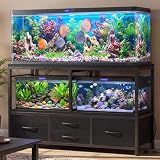
Heybly 55-75 Gal Fish Tank Stand with Drawer, Power Outlet, Black HAS005BK
- FLEXIBLE SETUP FOR 55-75 GALLON TANKS & EXTRA STORAGE SOLUTIONS
- BUILT-IN POWER OUTLETS FOR EASY ACCESS & ORGANIZATION
- HEAVY-DUTY CONSTRUCTION SUPPORTS UP TO 660LBS SAFELY
Understanding Large Fish Tanks
For aquarium enthusiasts ready to elevate their aquatic hobby, a large fish tank offers the perfect balance between stunning visuals and diverse habitats. Whether you're a beginner seeking to upgrade from smaller tanks or an experienced aquarist expanding your collection, understanding the benefits and requirements of large tanks is crucial. These tanks allow for a broader range of fish species and create a captivating centerpiece in any room.
Benefits of a Large Fish Tank
Large fish tanks offer several advantages over their smaller counterparts, making them an ideal choice for serious hobbyists:
- Enhanced Aquascaping Flexibility: With more space, you can design intricate aquascapes, complete with a variety of plants, rocks, and decorative elements.
- Broader Biological Balance: Larger tanks maintain more stable water conditions, which is beneficial for fish health and reduces maintenance frequency.
- Biodiversity: You can house a wider array of aquatic species, promoting a balanced ecosystem and enhancing your viewing experience.
How to Choose the Right Large Fish Tank
When considering a large fish tank purchase, it's essential to weigh several factors to ensure that you select the right setup for your needs.
1. Determine the Ideal Size and Space
Before purchasing, evaluate the space available in your home:
- Measure the designated area to ensure the tank fits appropriately.
- Consider the weight of a filled aquarium, including water, substrate, and decorations.
- Ensure you have a sturdy stand and flooring that can support the tank’s weight.
2. Material Considerations
Large fish tanks are primarily made from two materials: glass and acrylic.
- Glass: Known for better scratch resistance and clarity.
- Acrylic: Lighter weight and more impact-resistant but may scratch more easily.
3. Filtration and Maintenance
Proper filtration is crucial for maintaining healthy water conditions:
- Choose a filter that matches the volume of your tank.
- Opt for filters that are easy to clean or replace to streamline maintenance.
4. Lighting and Heating
Lighting and heating systems are fundamental for replicating natural habitats:
- Select energy-efficient LED lighting systems suitable for your specific fish species and plants.
- Investigate heaters to maintain appropriate temperatures, especially for tropical species.
Maintenance Tips for Large Fish Tanks
Keeping a large fish tank in optimal condition requires regular maintenance:
- Conduct partial water changes weekly to maintain clean water.
- Test water parameters consistently, such as pH, ammonia, and nitrate levels.
- Clean algae and debris from tank walls and decorations.
FAQ: Common Questions About Large Fish Tanks
1. How often should I clean a large fish tank?
Cleaning frequency depends on several factors, including the number of fish and filtration efficiency. Generally, partial water changes and tank cleaning should occur every one to two weeks.
2. What kind of fish can I keep in a large tank?
Large tanks are suitable for a diverse range of fish, from freshwater species like cichlids and tetras to saltwater species like clownfish and tangs. Research specific care requirements for each species you plan to keep.
3. Are large fish tanks more expensive to maintain?
While initial costs and setup investments can be higher, large tanks require less frequent water changes and may have more stable ecosystems, potentially reducing long-term maintenance costs.
4. Can beginners handle large fish tanks?
It's possible for beginners to handle larger tanks with the right resources and guidance. Starting with beginner fish tank kits before transitioning to larger setups can build confidence and knowledge.
Finding the Best Deals
When searching for the best large fish tank deals, especially in 2023, explore online platforms that focus on comprehensive fish tank deals. Compare sales from various retailers, consider seasonal discounts, and explore bundle deals that include essential accessories.
In summary, large fish tanks are a rewarding investment for any aquarist. By carefully considering the size, material, maintenance, and species compatibility, you can create a thriving aquatic environment. Whether upgrading or starting anew, use the tips above to find the best deals and make informed decisions. Happy aquascaping!