
Best Marine Transducers to Buy in November 2026
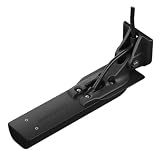
Garmin GT56UHD-TM Transom Mount Transducer
- ULTRA HD SONAR OFFERS 20% GREATER RANGE FOR SUPERIOR DETECTION.
- HIGH WIDE CHIRP ENSURES CLEAR TARGET SEPARATION UP TO 800' DEEP.
- VIVID COLOR PALETTES SIMPLIFY TARGET IDENTIFICATION AND STRUCTURE.


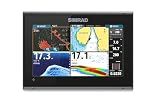
Simrad GO9 XSE Chartplotter and Fishfinder with 83/200 Transom Mount Transducer and C-MAP Discover Chart Card, 9 Inch Screen, Black, 000-16293-001
- VERSATILE NAVIGATION: GPS, SONAR, AND RADAR FOR ALL BOAT TYPES.
- COMPREHENSIVE MAPPING: C-MAP DISCOVER OFFERS DETAILED U.S. & CANADA CHARTS.
- SMART CONNECTIVITY: MIRROR DISPLAYS AND INTEGRATE SYSTEMS EFFORTLESSLY.
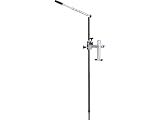
Millennium Marine Breakaway Transducer Pole
- LOCK-IN DESIGN FOR PRECISE TRANSDUCER POSITIONING, EVERY 90°!
- DURABLE MULTI-MATERIAL CONSTRUCTION WITHSTANDS IMPACTS SEAMLESSLY.
- ADJUSTABLE HANDLE FOR EFFORTLESS TRANSDUCER ADJUSTMENTS ON-THE-GO.
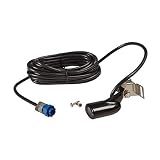
Lowrance 000-0106-72 HST-WSBL Transom-Mount Skimmer Transducer – 83/200 kHz with Built-in Temperature Sensor, 7-Pin Connector, Black
- DUAL-FREQUENCY FOR ACCURATE FISH DETECTION IN ANY DEPTH!
- UNIVERSAL COMPATIBILITY: FITS MOST LOWRANCE FISHFINDERS EASILY!
- DURABLE DESIGN AND LONG CABLE FOR RELIABLE PERFORMANCE ANYWHERE!
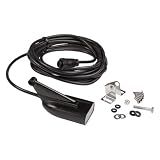
Simrad HDI Transom Transducer, 9-Pin, 83/200/455/800 kHz
- CLEAR FISH AND STRUCTURE VIEWS WITH HYBRID DUAL IMAGING TECH!
- VERSATILE MULTIPLE SONAR FREQUENCIES FOR ALL FISHING CONDITIONS.
- EASY INSTALLATION WITH INCLUDED HARDWARE AND 20 FT TRANSDUCER CABLE!
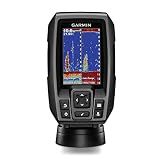
Garmin 010-01550-00 Striker 4 with Transducer, 3.5" GPS Fishfinder with Chirp
- CLEAR VU TECH: NEAR-PHOTOGRAPHIC SONAR FOR BETTER VISIBILITY.
- USER-FRIENDLY: SIMPLE INTERFACE AND EASY INSTALLATION.
- CHIRP SONAR: CRISPER FISH ARCHES WITH ENHANCED TARGET SEPARATION.
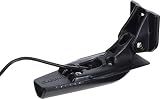
Garmin 010-01960-01 GT20-TM Transducer
- CRYSTAL-CLEAR FISH ARCHES AND OBJECT DETECTION FOR PRECISE FISHING.
- POWERFUL 500W TRANSDUCER; DEPTHS OF 1,900 FT. FOR EXPERT NAVIGATION.
- VERSATILE MOUNTS INCLUDED FOR EASY INSTALLATION ON ANY BOAT TYPE.
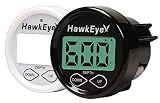
DepthTrax 2B Boat Mount In Dash Digital Depth Finder
-
ULTIMATE DEPTH READINGS: RANGES 2.5 - 600 FT, SPEEDS UP TO 60 MPH.
-
SMART 3-STAGE ALARM: AUDIBLE ALERTS + BRIGHT LED FOR SAFETY.
-
POLARIZED DISPLAY: GLARE-FREE VIEWING, PERFECT FOR SUNNY CONDITIONS.
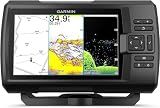
Garmin Striker Vivid 7cv, U.S. with GT20-TM Transducer - Easy-to-Use 7-inch Color Fishfinder and Sonar Transducer, Vivid Scanning Sonar Color Palettes (010-02552-00)
- VIVID SONAR PALETTES FOR EASY FISH AND STRUCTURE IDENTIFICATION!
- HIGH-SENSITIVITY GPS FOR PRECISE WAYPOINTS AND BOAT SPEED TRACKING!
- WI-FI CONNECTIVITY FOR SMART NOTIFICATIONS AND QUICKDRAW MAPPING!
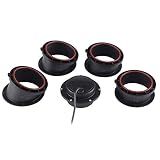
Garmin GT15M Transducer
- INSTALL INSIDE HULL-NO TRANSOM CAVITATION ISSUES!
- ACCURATE DEPTH READINGS FOR BOATS WITH 0-25° DEADRISE.
- MID-BAND CHIRP SONAR, 600W POWER FOR HIGH-SPEED PERFORMANCE.
Understanding Marine Transducers
When it comes to enhancing our sea expeditions, understanding marine transducers is crucial. At its core, a marine transducer translates electrical signals into sonar waves-Edison's innovation with a maritime twist! Whether you're an avid boat angler or a maritime navigation enthusiast, comprehending this technology is key to elevating your maritime adventures.
Marine transducers are pivotal for reliable marine navigation and fishing, serving as the "eyes" beneath your boat. They help in detecting fish, gauging water depth, and mapping the underwater environment. These devices convert electrical pulses into sound waves, which bounce off objects in the water and return, providing you with critical information. Let's dive into how to secure the best marine transducer deals while optimizing your nautical experiences.
How to Choose the Right Marine Transducer
Making an informed decision while choosing a marine transducer can significantly enhance your sailing or fishing exploits. Here's what you need to consider:
1. Type of Transducer
- Depth Transducers: Ideal if your primary need is to determine water depth.
- Fishfinder Transducers: A must-have for fishing enthusiasts to locate schools of fish.
- Speed and Temperature Transducers: Perfect for monitoring speed and temperature, valuable for sailboats and speedboats.
2. Installation Method
Choose from:
- Thru-Hull: Installed directly into the hull for minimal signal loss.
- In-Hull: Installed inside the hull without drilling, though less effective than through-hull.
- Transom-Mount: Attached to the boat's transom, common in smaller crafts.
- Portable: Easy to manage and perfect for temporary installations.
3. Frequency
- Single Frequency (50/200 kHz): Basic and adequate for most needs.
- Dual Frequency: Offers better performance in deeper waters.
- CHIRP (Compressed High-Intensity Radiated Pulse): Provides the best resolution and target separation.
4. Cone Angle
- Wider angles cover more area, whereas narrower angles penetrate deeper.
5. Power Rating
The higher the power rating, the better the sonar's ability to penetrate deep water and dense conditions.
By considering these factors, you minimize the chances of buyer’s remorse and maximize the potential for successful use when navigating or fishing.
Benefits of Using a Marine Transducer
Fitting your vessel with a marine transducer enhances navigation and efficiency in various ways:
- Improved Fishing: Real-time data on fish location enhances catch rates.
- Safe Navigation: Accurate depth readings prevent collisions with underwater hazards.
- Informed Decisions: Monitor water temperature and speed effectively for smooth sailing.
FAQs
What is a marine transducer?
A marine transducer is a device that emits and receives sound waves underwater, processed by a display unit to show depth, fish location, and other environmental factors vital for successful boating and fishing.
How often should a marine transducer be replaced?
While robust, marine transducers should be inspected regularly for wear and tear. Replacement is generally recommended every 5-7 years, contingent on usage and environmental conditions.
Can I use one transducer for different devices?
While some modern systems support connectivity, compatibility between devices is essential. Verify if your devices can share a transducer to avoid performance issues.
How do I maintain my marine transducer?
To ensure longevity:
- Regularly inspect and clean the transducer face.
- Avoid direct impacts, especially during trailering.
- Ensure the connection points are dry and free of corrosion.
Conclusion
Choosing the ideal marine transducer requires an understanding of your specific needs and proper knowledge of available options. By considering factors like installation type, transducer purpose, frequency, and power rating, you can make an informed purchase decision. For more marine-related gadgets, check out marine GPS antenna deals and marine battery charger discounts to further enhance your seafaring adventures. Prioritize quality and compatibility to ensure that your time at sea is safe, productive, and enjoyable.