
Best Western Cinches to Buy in October 2026
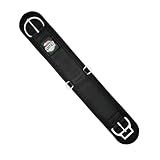
Weaver Equine Weaver Leather Smart Felt-Lined Horse Cinch, Roll Snug Stainless Steel Buckle, Felt Lined Horse Girth with Poly Webbing, 5.25" Wide
- PATENTED BUCKLE: EFFORTLESSLY TIGHTEN YOUR CINCH WITH ADDED LEVERAGE.
- PREMIUM BUILD: DURABLE MATERIALS ENSURE LONG-LASTING COMFORT AND PERFORMANCE.
- SECURE HOLD: LOCKING TONGUE PREVENTS SLIPPING FOR CONFIDENCE ON LONG RIDES.


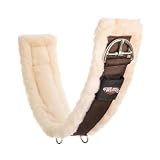
Weaver Equine 32" Super Horse Cinch, Fleece Lined with Flat Buckle
-
DURABLE DESIGN: HEAVY-DUTY POLYPROPYLENE FOR LONG-LASTING PERFORMANCE.
-
EXCEPTIONAL COMFORT: FLEECE BACKING AND BREATHABLE DESIGN FOR OPTIMAL AIRFLOW.
-
SECURE FIT: EASY BUCKLE AND DEES FOR QUICK ADJUSTMENTS AND CLEANING.
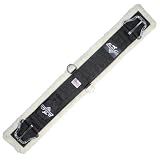
Professional's Choice SMX Comfort-Fit Western Merino Wool Cinch
-
EXPERIENCE ULTIMATE COMFORT WITH 100% MERINO WOOL LINING!
-
BUILT TO LAST: HEAVY-DUTY WEBBING FOR RELIABLE, DURABLE SUPPORT.
-
EASY MAINTENANCE: REMOVABLE, WASHABLE LINER KEEPS IT FRESH!
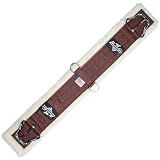
PROFESSIONAL'S CHOICE SMX Comfort-Fit Western Merino Wool Cinch
- 100% MERINO WOOL LINING ENSURES COMFORT AND NATURAL TEMPERATURE CONTROL.
- HEAVY-DUTY WEBBING OFFERS UNMATCHED DURABILITY FOR ANY RIDING CONDITIONS.
- REMOVABLE, WASHABLE LINER KEEPS CINCH FRESH AND EXTENDS ITS LIFESPAN.
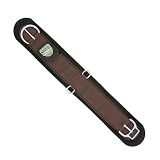
Weaver Equine 26" Felt Lined Smart Cinch, Straight Horse Cinch, Brown
- COMFORT & DURABILITY: CRAFTED TO ENSURE COMFORT AND LONG-LASTING USE.
- RIDER-FRIENDLY DESIGN: EASY BUCKLING WITH SECURE, RELIABLE PERFORMANCE.
- COOL RIDING EXPERIENCE: REDUCES RUBBING, ENSURING COMFORT ON LONG RIDES.
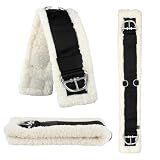
Western Cinch Horse Girth 26 Inch, Soft 33mm Thick Fleece Padding, White
- ULTIMATE COMFORT & DURABILITY: SOFT WOOL AND NYLON REDUCE FRICTION.
- RELIABLE STAINLESS STEEL HARDWARE: CORROSION-RESISTANT FOR LASTING PERFORMANCE.
- PERFECT FIT FOR EVERY HORSE: MULTIPLE SIZES ENSURE MAXIMUM COMFORT AND SUPPORT.
Understanding Western Cinches
When it comes to western horse riding, one key component that often goes unnoticed but plays a critical role in your comfort and safety is the cinch. The western cinch, sometimes referred to as a girth, is integral to securing the saddle on your horse and ensures both rider and steed can move effortlessly and effectively. This article delves into everything you need to know about western cinches to make informed decisions while shopping for this essential gear.
What is a Western Cinch?
A western cinch is a wide strap that fastens the saddle to the horse, keeping it firmly in place. Unlike the thinner girths used in English riding, western cinches are designed to distribute pressure evenly across a larger area, providing greater comfort for the horse. They are typically crafted from materials such as mohair, neoprene, or fleece-covered nylon, each offering unique benefits.
How Western Cinches Work
Western cinches are attached to the saddle via latigo straps. They usually feature a ring on either end for attachment and are sized depending on the horse and the type of riding. The cinch should be snug enough to hold the saddle in place without causing discomfort to the horse. Proper tension is crucial for balanced riding and to prevent the saddle from slipping during motion.
Advantages of Using Western Cinches
Choosing the right cinch contributes significantly to both the horse's performance and the rider's comfort. Here are some benefits of using western cinches:
- Stability: Offers greater stability for both horse and rider during movement.
- Comfort: Provides cushioning and reduces pressure points on the horse’s underside.
- Versatility: Suitable for a wide range of activities, from trail riding to competitive events.
How to Choose the Right Western Cinch
Selecting the right cinch is pivotal for optimal riding experience. Consider the following factors:
Material
- Mohair: Known for its strength and breathability, mohair is an ideal material for long rides. It naturally wicks away moisture, preventing skin irritations.
- Neoprene: Offers good grip and is easy to clean. Suitable for wet conditions as it doesn’t absorb sweat.
- Fleece: Provides extra cushioning and is excellent for sensitive-skinned horses.
Length
Measure your horse to determine the correct cinch length. A general rule of thumb is to ensure the cinch buckle rests approximately six inches above the horse's elbow.
Width
Wider cinches distribute pressure more evenly and are often more comfortable, but you should choose a width that aligns with the activity you’re planning.
Type of Riding
Consider the primary use:
- Trail Riding: Choose a cinch that offers comfort and durability for longer rides.
- Roping and Ranching: Look for enhanced stability and security features.
Maintenance Tips for Western Cinches
Taking care of your cinch extends its lifespan and maintains horse comfort:
- Regularly clean your cinch with suitable cleaners based on material type.
- Inspect for signs of wear and damage to avoid sudden failures.
- Store them properly, away from moisture and direct sunlight, to prevent material degradation.
FAQs About Western Cinches
What size western cinch do I need?
Cinch size depends on your horse’s girth and the type of saddle you use. Measure directly behind the front legs and choose a cinch that allows you to tighten it comfortably while leaving room for adjustments.
How tight should a western cinch be?
The cinch should be snug but not too tight. You should be able to fit about two fingers between the cinch and your horse’s body. Adjust according to your horse's comfort and tack movement during the ride.
How often should I replace my cinch?
High-quality cinches last several years with proper care. Inspect regularly for wear and tear, particularly around stitching and buckles, to determine when replacement is necessary.
Can I use the same cinch for different horses?
While you can use the same cinch for different horses, ensure it fits each horse well to avoid discomfort and enhance the riding experience. Each horse might have slightly different needs depending on their build.
Choosing the right western cinch requires knowledge and consideration of several factors-from material and size to maintenance. By understanding these elements, you ensure a safer and more enjoyable riding experience for both you and your horse.