Best XLR Cables for Microphones to Buy in October 2026
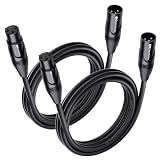
Cable Matters 2-Pack Premium XLR to XLR Cable, Microphone Cable, M-F, 6ft
-
PROFESSIONAL SOUND QUALITY: HIGH-QUALITY XLR CONNECTORS FOR CRISP AUDIO.
-
VALUE PACK CONVENIENCE: INCLUDES TWO XLR CABLES FOR VERSATILE SETUPS.
-
DURABLE & RELIABLE: HEAVY-DUTY DESIGN WITH SUPERIOR NOISE SHIELDING.


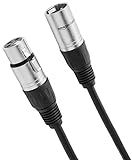
Amazon Basics XLR Male to Female Microphone Cable for Recording Studio, Speaker or PA System, All Copper Conductors, 3-Pin, Shielding, 6MM PVC Jacket, 25 Foot, Black
- CLEAR TRANSMISSION: ALL-COPPER DESIGN REDUCES NOISE INTERFERENCE.
- DURABLE BUILD: ZINC ALLOY CONNECTORS ENSURE LONGEVITY AND RELIABILITY.
- VERSATILE USE: PERFECT FOR STUDIO RECORDING AND LIVE SOUND SETUPS.
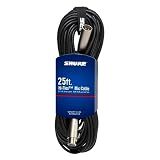
Shure C25J 25-foot Hi-Flex Cable with Chrome XLR Connectors, Black
- DURABLE 25 FT CABLE WITH CHROME XLR FOR SECURE CONNECTIONS.
- LOW-IMPEDANCE DESIGN ENSURES CLEAR AUDIO PERFORMANCE.
- COMPATIBLE WITH VARIOUS AUDIO EQUIPMENT FOR VERSATILE USE.
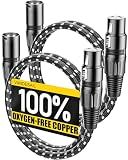
VANDESAIL XLR Cables 3ft 2 Pack,Short Microphone Cable OFC Noise Reduction
-
EXCEPTIONAL SOUND QUALITY: DOUBLE SHIELDING ENSURES UNDISTURBED, HI-FI AUDIO.
-
DURABLE FLEXIBILITY: NYLON BRAIDED DESIGN WITHSTANDS 20,000+ BENDS FOR LONGEVITY.
-
VERSATILE COMPATIBILITY: WORKS WITH VARIOUS 3-PIN XLR DEVICES AND SYSTEMS.
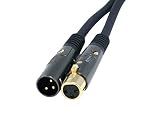
Monoprice XLR Male to XLR Female Cable - for Microphone, Gold Plated, 16AWG, 10 Feet, Black - Premier Series
- REDUCE EM/RF NOISE WITH IMPEDANCE BALANCED AUDIO CABLES.
- SHIELDED DESIGN PREVENTS GROUND LOOP ISSUES FOR CLEAR SOUND.
- PREMIUM QUALITY WITH GOLD-PLATED CONNECTORS AT GREAT PRICES!
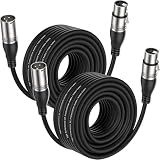
EBXYA XLR Cable 50ft 2 Packs Microphone Cable with 3-Pin XLR Male to Female
-
HIGH ANTI-NOISE DESIGN PROVIDES CLEAR SOUND IN ANY ENVIRONMENT.
-
RELIABLE CONNECTORS PREVENT SIGNAL ERRORS FOR SEAMLESS PERFORMANCE.
-
FLEXIBLE, DURABLE DESIGN ALLOWS FOR EASY CLEANING AND LONG-LASTING USE.
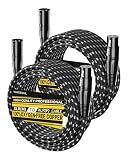
VANDESAIL XLR Cables 25ft 2Pack, Durable Nylon Braided XLR Microphone Cable
- EXCEPTIONAL SOUND QUALITY WITH DOUBLE SHIELDING TECHNOLOGY
- DURABLE NYLON BRAIDING FOR LONG-LASTING FLEXIBILITY
- VERSATILE COMPATIBILITY WITH VARIOUS PROFESSIONAL EQUIPMENT
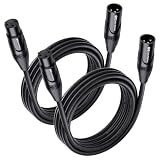
Cable Matters 2-Pack Premium XLR to XLR Cable, Microphone Cable, M-F, 15ft
-
PROFESSIONAL SOUND QUALITY: EXPERIENCE TOP-TIER AUDIO FIDELITY WITH XLR CABLES.
-
CONVENIENT 2-PACK: GET TWO XLR CABLES FOR FLEXIBLE AUDIO SETUPS & REPLACEMENTS.
-
DURABLE & RELIABLE: ROBUST DESIGN WITH SUPERIOR SHIELDING FOR LONG-LASTING USE.
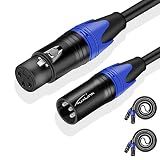
AuxLink XLR Cable, XLR Microphone Cable Male to Female 25ft 2 Pack
- VERSATILE COMPATIBILITY: WORKS WITH MICS, MIXERS, AND STAGE EQUIPMENT.
- EXCEPTIONAL SOUND QUALITY: DELIVERS CRYSTAL-CLEAR HI-FI AUDIO, NO NOISE.
- HEAVY-DUTY DESIGN: DURABLE, FLEXIBLE, AND STABLE FOR LONG-LASTING USE.
Introduction
Are you on the hunt for the best XLR cable deals for your microphone setup? Whether you're a seasoned sound engineer or a budding podcaster, understanding the importance of quality XLR cables is crucial for achieving optimum sound performance. When connecting microphones to audio interfaces or mixers, XLR cables provide balanced connections that minimize noise and interference. Read on to discover how to choose the best XLR cable for your needs and elevate your audio experience.
Understanding XLR Cables for Microphones
XLR cables, recognizable by their circular connector with 3 to 7 pins, are widely utilized in professional audio applications. The three-pin variation is the most common for microphones. They are known for:
- Balanced Audio: XLR cables carry a balanced audio signal, reducing the risk of interference from electromagnetic sources. This is essential for clear audio capture, especially in live performances and studio recordings.
- Robustness: Designed for durability, XLR cables often feature reinforced connectors and thick insulation to withstand heavy usage and environmental stress.
- Universal Connectivity: With standardized connectors, XLR cables easily interface with a vast range of audio equipment, from microphones to mixers and amplifiers.
How to Choose the Best XLR Cable for Your Microphone
Selecting the right XLR cable is key to ensuring high-quality sound and durability. Here’s how to make the best choice:
Determine the Length
- Opt for the shortest cable that meets your requirements to minimize signal loss.
- Consider future flexibility; too short can restrict movement, while excessively long cables may clutter your space.
Assess Build Quality
- Look for cables with reinforced connectors to prevent wear and tear.
- Ensure they feature thick, flexible insulation for durability without sacrificing flexibility.
Evaluate Shielding
- Braided Shielding: Offers excellent protection against electromagnetic interference, ideal for environments with lots of electronic devices.
- Foil Shielding: Provides lightweight, cost-effective shielding, suitable for smaller setups or controlled environments.
Compatibility
- Confirm that the cable is compatible with your microphone and audio interface.
- Consider the weight and thickness of the cable if mobility is a concern.
Signal Quality
- Cables with low capacitance effectively preserve signal integrity over long distances.
- Look for oxygen-free copper conductors, which offer superior signal transmission and longevity.
FAQ
What is an XLR cable used for in audio settings?
An XLR cable is used to connect microphones and other audio equipment to mixers and sound systems. Its balanced connections help in reducing noise and maintaining the clarity of the audio signal.
How does an XLR cable differ from a standard audio cable?
Unlike standard audio cables, XLR cables use balanced signal transmission, which protects against electromagnetic interference. This makes them preferred for professional audio environments where signal quality is crucial.
Can I use an XLR cable with non-professional equipment?
Yes, you can use an XLR cable with non-professional equipment if it has appropriate ports or adaptors are available. This can help enhance audio quality by reducing potential interference and noise.
Why is cable length important when choosing an XLR cable?
Cable length is crucial because longer cables can potentially introduce signal loss or delay. Choosing a cable length that suits your setup while minimizing excess can help maintain optimal sound performance.
Conclusion
Choosing the best XLR cable for your microphone doesn't have to be a daunting task. By focusing on key factors such as length, build quality, shielding, and signal integrity, you can ensure that your audio setup delivers crystal-clear sound with minimal interference. Whether you're in a professional studio environment or setting up a home podcasting space, the right XLR cable will make a significant difference. For more professional audio insights, check out our detailed guides on camera microphone deals and lavalier microphones deals. Happy recording!