
Best Aquarium Sealant to Buy in September 2026
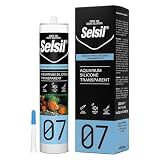
SELSIL Aquarium Silicone Clear Sealant - High Elasticity, Safe for Fish, Solvent-Free, Ozone-Resistant, Transparent 10.14 Fl Oz, 1 Pack
-
FISH-SAFE FORMULA: NON-TOXIC, 100% SILICONE FOR WORRY-FREE BONDING.
-
FAST CURING: QUICK APPLICATION AND STRONG BOND IN JUST HOURS!
-
VERSATILE USE: IDEAL FOR AQUARIUMS AND SEALING VARIOUS NON-POROUS SURFACES.


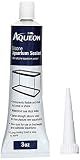
Aqueon Aquarium Silicone Sealant Clear, 3 Ounces
- WATERPROOF SEAL PREVENTS LEAKS FOR RELIABLE SEALING.
- PERMANENTLY FLEXIBLE AND CRACK-RESISTANT FOR LASTING DURABILITY.
- NON-TOXIC SILICONE SAFE FOR ALL AQUARIUMS, CLEAR & BLACK OPTIONS.
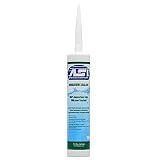
Clear Aquarium Silicone Sealant - 10.2 Fluid oz Cartridge
-
FORMS STRONG, PRIMER-FREE BONDS WITH GLASS FOR EFFORTLESS SEALING.
-
IDEAL FOR AQUATIC ENVIRONMENTS-NON-TOXIC AND WATER-RESISTANT.
-
VERSATILE APPLICATION ON VERTICAL SURFACES, EXTREME TEMPERATURES OK!
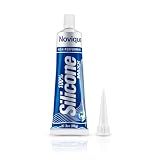
Novique Aquarium Silicone Sealant Fish Tank Clear Sealant Non-Toxic Waterproof Strong Adhesion Solvent Free 3 Ounces (85g) 1 Pack
-
QUICK FIX FOR LEAKS: CURE AQUARIUM LEAKS IN LESS THAN 30 MINS!
-
SAFE FOR AQUATIC LIFE: 100% SILICONE, NON-TOXIC & FISH-FRIENDLY.
-
VERSATILE USE: PERFECT FOR TANKS, CAR LIGHTS & MORE REPAIRS!
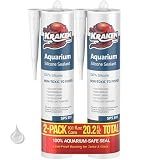
Kraken Bond Aquarium Silicone Sealant Clear - (2x10.1 fl. oz.) 100% Waterproof Aquarium Safe Silicone, Non-Toxic Fish Tank Safe Sealant, Fast Curing and Strong Adhesion, 2 Pack
-
DURABLE SEAL: ACHIEVE LASTING LEAK PROTECTION FOR ANY AQUARIUM SETUP.
-
AQUATIC SAFE: NON-TOXIC SILICONE ENSURES A SAFE HOME FOR YOUR FISH.
-
WEATHER RESISTANT: MAINTAINS INTEGRITY UNDER ALL TEMPERATURE CONDITIONS.
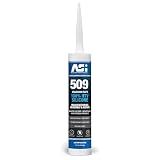
Black Aquarium Silicone Sealant - 10.2 Fluid oz Cartridge
- STRONG, PRIMER-FREE BONDS TO GLASS FOR EASY APPLICATION.
- NON-TOXIC TO FISH; SAFE FOR FRESH AND SALT-WATER AQUARIUMS.
- WITHSTANDS EXTREME TEMPERATURES; PERFECT FOR AQUARIUM ENVIRONMENTS.
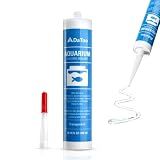
DaToo Aquarium Silicone Sealant Clear Type (10.14 Fl Oz) Strong Waterproof Fish Tank Silicone Sealant Safe for Fish Solvent Free 1 Pack
- 100% PURE SILICONE FORMULA - SAFE FOR FISH & ECOSYSTEMS!
- QUICK CURING: BOND STRENGTH IN 24 HOURS, PERFECT FOR BEGINNERS!
- STRONG ADHESION & FLEXIBILITY - NO LEAKS, GUARANTEED DURABILITY!
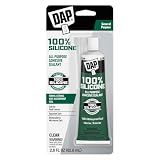
DAP All Purpose 100% Silicone Adhesive Sealant, Clear, 2.8 oz (7079800755)
-
100% WATERPROOF SEALANT, READY IN JUST 12 HOURS FOR QUICK REPAIRS.
-
COMPACT SIZE PERFECT FOR SMALL PROJECTS, VERSATILE WITH LONG-LASTING HOLD.
-
SAFE FOR INDOOR/OUTDOOR USE; ADHERES TO GLASS, CERAMIC, AND MORE!
Understanding Aquarium Sealant
Aquarium sealant is a crucial component for anyone looking to maintain a healthy, leak-free aquarium. Whether you're a seasoned aquarist or setting up your first tank, knowing the ins and outs of aquarium sealant can save you both time and money. The sealant not only prevents leaks but also ensures the safety of your aquatic habitat by keeping harmful chemicals and molds at bay. With the right choices, maintaining your underwater world becomes a breeze.
Why Does Aquarium Sealant Matter?
Having a reliably sealed aquarium is vital for several reasons:
- Leak Prevention: The primary function is to avert water leakage, which could damage your flooring or electrical outlets.
- Fish Safety: A quality sealant keeps any harmful bacteria or chemicals from seeping into the water, protecting your fish and plants.
- Structural Integrity: It helps in maintaining the aquarium's stability, ensuring the glass panels are tightly bonded together.
How to Choose the Right Aquarium Sealant
When choosing aquarium sealant, several factors come into play. Here’s a breakdown of what you should consider:
Material Compatibility
- Glass vs. Acrylic Aquariums: Ensure you select a sealant that is compatible with your tank materials, such as glass or acrylic.
- Water Type Suitability: Some sealants are specific to freshwater or saltwater setups.
Performance Features
- Clear Dry: Sealants that dry clear are typically preferred for aesthetic reasons.
- Durability: Opt for products known for their lasting performance and resistance to wear and tear.
Safety Aspects
- Non-Toxic Formulation: Check for non-toxic, aquarium-safe certifications to ensure the safety of your aquatic life.
- Cure Time: Consider how long the sealant takes to cure and ensure it fits within your maintenance schedule.
Ease of Application
- Applicator Tips: Features like custom applicator tips can make the process easier and more precise.
- Viscosity: Choose a sealant with the appropriate thickness for your DIY skills. Thicker options can be forgiving, while thinner ones require a steadier hand.
Where to Find the Best Deals
Exploring deals on aquarium sealants can lead to significant savings. While I won’t mention specific products or brands, here are some general tips to find the best bargains:
- Seasonal Sales: Keep an eye out for holiday sales periods when retailers usually offer discounted prices.
- Online Marketplaces: Websites specializing in fish tank supplies often have deals. Don’t forget to check discount sections on popular online stores.
- Bulk Purchases: If you maintain multiple aquariums or large tanks, buying in bulk can reduce costs significantly.
For those looking to save even more on their aquarium upkeep, consider checking out these fish food flakes discounts or affordable fish tank dividers to stretch your budget further.
Application Tips for Aquarium Sealant
Applying sealant isn't just about getting the product into the cracks effectively; it's also about ensuring a clean, enduring bond:
- Surface Preparation: Always clean the area thoroughly. Any debris can compromise the seal.
- Application Technique: Use a steady hand to apply a continuous bead of sealant. Ensure even distribution to prevent weak spots.
- Curing: Follow the manufacturer's instructions regarding cure times before refilling your tank.
Frequently Asked Questions
What is the best type of sealant for a large aquarium?
For large aquariums, durability and strength are paramount. Look for industrial-grade options that clearly state compatibility with the size and type of your tank.
Can I use household sealant for my aquarium?
Household sealants often contain chemicals that can be harmful to fish and plants. Always use a sealant explicitly labeled as aquarium-safe.
How often should I replace the sealant in my aquarium?
Regular inspections can help you gauge the need for re-sealing. As a rule of thumb, check the sealant every two years, or sooner if you notice any signs of wear or leakage.
Is there a specific technique to remove old sealant?
Yes, carefully scrape off the old sealant using a razor blade or scraper. Ensure the surface is clean and free of residue before applying new sealant.
By understanding the application and maintenance of aquarium sealants, you can better enjoy your hobby and keep your aquatic display vibrant and leak-free. Always prioritize the safety and health of your aquatic companions by choosing the right products and following recommended guidelines.