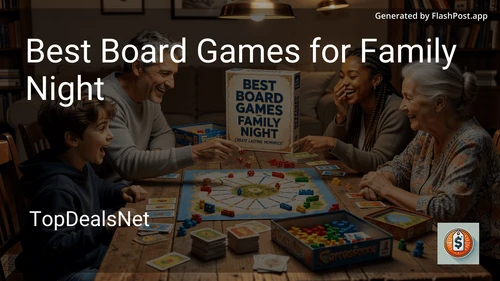
Best Board Games for Family Night to Buy in November 2026
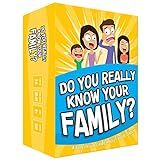
Do You Really Know Your Family? Fun Family Game for Kids, Teens and Adults | Best Family Game Night Card Board Game for Kids 8+ & Adults, Family Edition Trivia & Conversation Cards, Top Family Gifts
- IGNITE LAUGHTER WITH FUN QUESTIONS REVEALING FAMILY SECRETS!
- FOSTER CONNECTION THROUGH HILARIOUS CHALLENGES AND CONVERSATIONS!
- SIMPLE RULES MAKE GAME NIGHT FUN FOR AGES 8 TO ADULT!


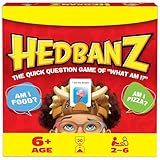
Spin Master Games Hedbanz Picture Guessing Game for Family Game Night | Hilarious Guessing Game of "What Am I?" with Easy-to-Read Picture Cards, Builds Deductive Reasoning, 2-6 Players, Ages 6+
- NEW FUN BANDS: ENJOY 6 EXCITING NEW CHARACTER BANDS TO GUESS!
- EASY GAMEPLAY: QUICK, ENGAGING YES/NO QUESTIONS FOR ALL AGES!
- PERFECT FOR ALL: IDEAL FOR FAMILY GAME NIGHTS AND ANY GATHERING!

Grab The Mic - Award Winning Karaoke Party Game for Bad Singers w Foam Mic | 120 Word Cards (250 Words), 2-12 Players for Ages 8+. Perfect For Family Game Night, Birthdays & Sing-Off Parties.
- FAST-PACED FUN: RACE TO GRAB THE MIC AND SING LYRICS QUICKLY!
- HILARIOUS MOMENTS: CREATE LAUGHTER WITH EPIC SONG RENDITIONS!
- VERSATILE GAMEPLAY: MULTIPLE MODES FOR ENDLESS FUN AND CHALLENGES!

Herd Mentality Board Game: #1 Family Party Game, 4-20 Players | Award-winning board game, easy to learn, large group game, christmas gift for adults, kids and teens, fun family game night
-
HILARIOUS, ENGAGING FUN FOR 4-20+ PLAYERS-PERFECT FOR GAME NIGHTS!
-
QUICK TO LEARN AND PLAY; ENDLESS REPLAYABILITY WITH 20 EXTRA QUESTIONS!
-
GREAT FOR ALL AGES; THE IDEAL ICEBREAKER FOR FAMILY GATHERINGS!
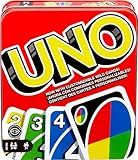
Mattel Games UNO Card Game, Ages 7+, 2-10 Players | Classic Card Game for Kids, Teens and Family Game Night, Colorblind Accessible & Customizable Cards (Amazon Exclusive)
-
CLASSIC COLOR AND NUMBER MATCHING FOR FAMILY FUN-AGES 7 AND UP!
-
EXCITING ACTION AND WILD CARDS ADD TWISTS TO EVERY GAME!
-
INCLUSIVE DESIGN WITH SYMBOLS FOR COLOR-BLIND ACCESSIBILITY!
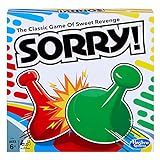
Sorry! Board Game for Kids Ages 6 and Up; Classic Hasbro Board Game; Each Player Gets 4 Pawns; Family Game
- CLASSIC SORRY! GAMEPLAY GUARANTEES EDGE-OF-YOUR-SEAT EXCITEMENT!
- BRING FAMILY TOGETHER WITH THIS FAVORITE GAME NIGHT CLASSIC!
- PERFECT GIFT FOR KIDS AGES 6+-FUN FOR EVERYONE, ANYTIME!
Best Board Games for Family Night can turn a noisy, screen-heavy evening into 45 minutes of genuine laughter faster than almost any other living-room activity. The difference between a game that gets replayed for years and one that gathers dust usually comes down to three things: setup time, age flexibility, and whether losing still feels fun.
I’ve played family board games in mixed-age groups that included impatient six-year-olds, competitive teens, and adults who claim they “don’t like games” right up until they ask for a rematch. The picks below focus on games that actually survive real family night conditions: interruptions, short attention spans, uneven skill levels, and a budget that doesn’t always stretch to a giant deluxe box.
How we select products: Our team reviews games regularly, analyzing customer ratings, replay value, age range, average playtime, rules complexity, and real buyer feedback to surface options that deliver lasting value. For this list, we prioritized games with strong family accessibility, consistently high ratings, and a track record of repeat play, not just hype.
What are the Best Board Games for Family Night if you want everyone playing in 10 minutes?
The best family board games are the ones you can teach quickly and replay often. For most households, the strongest picks combine 15-minute rules explanations or less, playtimes under 60 minutes, and broad age appeal from roughly 8+ upward.
Here’s the definitive shortlist:
| Rank | Best For | Why It Stands Out | Typical Playtime | Complexity | |---|---|---|---:|---| | 1 | All-around family fun | Easy to teach, high replay value, works across ages | 30-45 min | Low | | 2 | Younger kids + adults | Simple turns, visual gameplay, low frustration | 20-30 min | Low | | 3 | Competitive families | Tight strategy without being too heavy | 45-60 min | Medium | | 4 | Large groups | Scales well and keeps downtime low | 20-40 min | Low | | 5 | Two generations with different tastes | Mixes luck and planning effectively | 30-50 min | Low-Medium |
If you want one simple rule: the best board game for family night is usually a medium-light game that plays in under 45 minutes and supports at least 4 players well. That sweet spot gives you enough depth for adults without losing kids halfway through round two.
How we picked these Best Board Games for Family Night
A great family game has to do more than look good on a shelf. I weighed each game against the same practical checklist families actually care about after the first play.
1. Replay value mattered more than novelty
A game isn’t one of the Best Board Games for Family Night if it peaks on game one and fades by week two. The strongest titles typically offer variable setups, multiple paths to win, or enough player interaction that each session feels different.
Games with only one obvious strategy tend to get stale fast. In real family use, that’s often the fastest route to “we already played that one.”
2. We favored games with low rules friction
Review patterns are clear: family games that need 20+ minutes of explanation are much less likely to hit the table regularly. The winners here generally teach in 5 to 10 minutes, with turns that can be understood after one practice round.
That matters because family night isn’t a tournament. It’s usually squeezed between dinner, homework, and someone asking where the snack bowls are.
3. We prioritized flexible age ranges
The best family tabletop games work even when there’s a skill gap. A well-designed game lets an 8-year-old stay competitive through clever play or luck balancing, while still giving adults meaningful choices.
4. We screened for review red flags
Buyer feedback matters. Games with repeated complaints about unclear rulebooks, player elimination, flimsy components, or 90-minute runtimes disguised as 30-minute games dropped down the list, even if they were popular.
Best Board Games for Family Night under the budget sweet spot
You don’t need a giant collector’s edition to get a great family experience. Some of the best budget board games outperform pricier options because they’re quicker to teach and easier to replay.
Best under the entry-level budget: fast, funny, and replayable
The best low-cost family games usually share three traits:
- Play in 15 to 30 minutes
- Use fewer than 150 components
- Work well with 3 to 5 players
These games are ideal if you’re building a starter shelf or need something for casual weekends. In many households, lighter games actually see 2 to 3 times more table use than bigger strategy titles simply because setup is faster.
Best pick in this tier: choose a party-style or set-collection game with simple iconography and short turns. That format consistently lands best with mixed-age groups.
Best Board Games for Family Night in the mid-range sweet spot
This is where the category gets strongest. The mid-range usually buys you better component quality, more replay depth, and room for strategic choices without becoming overwhelming.
If your family wants “real game night” energy without a two-hour commitment, this is the bracket to target. The best options here often support 4 players comfortably, finish in 35 to 60 minutes, and stay engaging across repeated plays.
Best pick in this tier: a tile-laying, route-building, or light engine-building game. These tend to hit the sweet spot between accessible rules and satisfying decisions.
Premium picks: are bigger family board games worth it?
Sometimes yes, but only if your group plays often. Larger-box games can justify the cost when they offer modular boards, campaign elements, or highly variable setups that stretch replay value over dozens of sessions.
For many families, though, premium games are best as a second or third purchase rather than a first. If family night happens twice a month, a compact game with a sub-45-minute runtime is usually the smarter buy.
What to look for before you buy the Best Board Games for Family Night
If you’ve ever bought a “family game” that turned out to be too childish for adults or too complicated for kids, this checklist will save you money.
1. Look for a realistic playtime, not the optimistic box number
A box might say 30 minutes, but real family play can stretch that by 25% to 50% during your first few sessions. A game listed at 45 minutes may actually take over an hour once you add teaching, snack breaks, and rule clarifications.
For most families, the safe target is 20 to 45 minutes listed playtime.
2. Check the minimum age, then add context
Age ratings are often rough estimates, not guarantees. A game rated 8+ may still frustrate some 8-year-olds if it involves reading-heavy cards, hidden scoring, or long-term planning.
The best family game recommendations usually combine the age rating with these questions:
- How much reading is on each turn?
- Can a younger player understand the win condition?
- Does the game punish one mistake for the next 30 minutes?
3. Aim for strong player counts at 4, not just “supports 4”
A lot of games technically allow 4 players but create long downtime at that count. If you’re shopping for family game night ideas, make sure reviews specifically say the game is good at 4 players, not merely possible.
4. Prioritize low elimination and catch-up mechanics
For families, player elimination is usually a bad trade. If one person can get knocked out in the first third of the game, you’ve created a bored spectator before dessert.
Games with shared scoring, round-based resets, or bonus turns for trailing players tend to keep the mood lighter.
5. Use ratings as a quality filter
A helpful benchmark: look for games with 4.4+ average ratings and a large enough review count to make that score meaningful. Once ratings slip near 4.0 or below, complaints about confusing rules and poor replay value tend to rise sharply.
Pro tip: Games with a 10-minute setup or less are far more likely to become weekly staples. In real homes, convenience often matters more than component count.
Which type of family board game is best for your group?
Different households want different energy. The smartest buy depends less on theme and more on how your family likes to interact.
For kids and grandparents together: choose pattern or matching games
These games work because they rely on visual recognition and simple decision trees rather than heavy reading. They also tend to create shorter turns, which helps younger players stay engaged.
Best fit if your group includes ages with a 10+ year gap in gaming confidence.
For competitive families: choose light strategy games
If your group enjoys planning ahead, look for route-building, drafting, or area-control-lite mechanics. These give enough room for tactical play without becoming rules-heavy.
Best fit if your family likes a winner to feel earned, not random.
For loud, social family nights: choose party board games
Party-style games are often the best board games for family night when you have cousins visiting or need something for 5 to 8 players. They reduce analysis paralysis and create fast laughs, especially if you’re mixing gamers with non-gamers.
If your house also leans toward digital play, you can find out more about another game-night direction for older groups who want something spookier after the board games are packed away.
For families who hate reading rulebooks: choose cooperative games
Co-op games are excellent if arguments over “who made the wrong move” tend to derail the evening. Because players work against the game system, they lower the sting of losing and make table talk feel collaborative.
What the reviews say: red flags that ruin family game night
Plenty of games look perfect online and flop in real use. Review patterns reveal a few consistent warning signs.
Red flag #1: “Family” games with long downtime
If multiple reviews mention waiting several minutes between turns, pay attention. Kids disengage quickly once downtime crosses about 90 seconds per player in lighter games.
Red flag #2: Rulebooks that need video explanations
A game shouldn’t require a 20-minute tutorial video to feel usable. If buyers repeatedly say they “only understood it after watching someone else play,” expect a rough first night.
Red flag #3: Too much take-that for sensitive groups
Direct sabotage can be hilarious in the right family and disastrous in the wrong one. If reviews repeatedly mention “mean” interactions, stolen resources, or revenge play, that game is better for competitive adults than relaxed family nights.
Red flag #4: Overproduced boxes with shallow gameplay
Big inserts, lots of pieces, and dramatic art don’t guarantee long-term fun. In review analysis, games with flashy production but repetitive turns often see a steep drop-off after 3 to 5 plays.
Red flag #5: Player count inflation
Some games claim they support large groups but become chaotic or sluggish at the top end. If you need a game for 6+, confirm that buyer feedback specifically praises the full player count experience.
If your family likes speed, competition, and quick scoring systems, cheap xbox racing games explained is another useful comparison point for what keeps group play exciting.
How to build a family board game shelf that actually gets used
Buying one “perfect” game is less effective than building a small rotation with different energy levels. A three-game shelf usually covers most family nights better than a stack of 12 random purchases.
Here’s the most practical mix:
-
One 20-minute warm-up game
Best for weeknights and shorter attention spans. -
One 30- to 45-minute main event game
This becomes your default pick for regular family night. -
One group or party game for visitors
Essential if your player count changes often.
That combination covers most real scenarios without clutter. It also avoids a common mistake: owning only long games that feel like a commitment every time they come off the shelf.
Are the Best Board Games for Family Night better as cooperative or competitive games?
For most families, the answer depends on the age spread and temperament at the table. Cooperative games usually work better for younger kids, mixed-skill groups, or households where a bad loss can sour the evening.
Competitive games tend to shine once players are comfortable with turns, scoring, and light strategy. If your family enjoys replaying and improving, competition usually gives the longest shelf life.
Definitive recommendation: if you’re buying just one game, start with a light competitive game with limited player conflict. It offers broader replay value than many co-op titles while still keeping family tension manageable.
Final recommendation: what matters most before you buy
If you only use one filter, make it this: buy the game your family will actually replay within the first two weeks. That usually means under 45 minutes, easy setup, and strong reviews at your real player count, especially 4 players.
The best board games for family night aren’t the biggest, smartest, or most expensive boxes. They’re the ones that get requested again next Friday.
Frequently Asked Questions
what is the best board game for family night with mixed ages?
The best option for mixed ages is usually a light strategy or pattern-based game with simple turns and minimal reading. Games that play in 20 to 40 minutes tend to work best because younger players stay engaged while adults still get meaningful choices.
how to choose a board game for family night?
Start with player count, realistic playtime, and rules complexity. If your household has kids or non-gamers, prioritize games with 5- to 10-minute teach times, low downtime, and no early player elimination.
are expensive family board games worth it?
They can be worth it if your family plays often and wants deeper replay value. If family night only happens once or twice a month, a mid-range game with high ratings and sub-45-minute sessions is usually the better value.
what board games are best for 4 players family night?
The best 4-player family games are titles specifically praised for balanced pacing at four, not just games that list 4 on the box. Look for review comments about low downtime, clear turns, and strong replayability at that exact player count.
is a cooperative board game better for family night?
A cooperative game is often better if your group includes younger kids, sore losers, or new players. A competitive game is usually better for long-term replay, but co-op games often create a smoother first experience and less table friction.