Best Cooperative Board Games to Buy in October 2026
Take Time Board Game | Cooperative Puzzle & Strategy Game with 40 Unique Challenges, Family Fun for Kids & Adults, Ages 10+, 1-4 Players, 30 Mins
-
TEAMWORK-BASED PUZZLES FOR ENGAGING FAMILY FUN
-
40 UNIQUE CHALLENGES TO KEEP PLAYERS COMING BACK
-
INNOVATIVE CARD PLACEMENT MECHANICS FOR STRATEGIC PLAY


Pandemic Cooperative Strategy Board Game, 2-4 Players, 45-60 Min | For team play, cure diseases before time runs out, Rewards planning and communication, Deep strategy with strong replay
-
EXPERIENCE TRUE TEAMWORK: COLLABORATE TO STOP GLOBAL OUTBREAKS TOGETHER!
-
UNIQUE ROLES FOR EVERY PLAYER: EACH CHARACTER SHAPES YOUR TEAM'S STRATEGY!
-
PERFECT FOR GAME NIGHT: ENJOY 45-60 MINUTES OF THRILLING COOPERATIVE PLAY!

Asmodee Mysterium Park Board Game - Uncover Dark Secrets in a Charming Carnival Setting, Cooperative Mystery for Kids & Adults, Ages 10+, 2-7 Players, 28 Minute Playtime
-
UNRAVEL THE MYSTERY: INVESTIGATE A VANISHED DIRECTOR’S SECRETS.
-
ENGAGING GAMEPLAY: QUICK SETUP FOR THRILLING PSYCHIC ADVENTURES.
-
STANDALONE YET FAMILIAR: PERFECT FOR NEWCOMERS AND MYSTERIUM FANS!

Gamewright Forbidden Jungle, Coop Strategy Board Game, 2-5 Players | Work Together Team Challenge, 30-45 Minute Game, Two Player Strategy, 47 Miniatures, Family Game Night, Adventure Play
-
TEAMWORK FOCUS: UNITE TO CONQUER CHALLENGES AND ENHANCE GROUP BONDING.
-
QUICK ADVENTURE: ENJOY THRILLING 30-45 MIN GAMEPLAY PERFECT FOR BUSY NIGHTS.
-
INCLUSIVE FUN: PLAY WITH 2-5 PLAYERS FOR UNFORGETTABLE GAME NIGHTS TOGETHER.
Peaceable Kingdom Gnomes at Night A Cooperative Maze Game for 2 to 4 Kids Ages 6+
-
TEAM UP FOR TREASURE! COLLABORATE TO FIND TREASURES IN THE MAZE.
-
DYNAMIC MAZE GAMEPLAY! EACH SIDE OFFERS UNIQUE PATHS FOR STRATEGY.
-
BOOST COMMUNICATION SKILLS! ENHANCE TEAMWORK WITH QUICK-THINKING FUN!
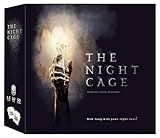
Smirk and Dagger The Night Cage | Cooperative Candlelit Horror Strategy Game, Tile Laying Labyrinth Escape Adventure, For 1 to 5 Players, Ages 14+
- NAVIGATE A SHIFTING MAZE: ILLUMINATE PATHS, ESCAPE DARKNESS TOGETHER!
- FACE WAX EATERS IN A CANDLELIT HORROR: EVERY FLICKER HEIGHTENS TENSION!
- ESCAPE WITH EVOLVING STRATEGIES: DYNAMIC TILES AND FRESH CHALLENGES AWAIT!
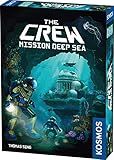
The Crew: Mission Deep Sea | Cooperative Card Game | Search for the Lost Land of Mu | Trick-Taking Tabletop Game | 32 Difficulty Levels | Ages 10+ | 3-5 Players | 20 Min Playtime
- DIVE INTO COOPERATIVE GAMEPLAY WITH AN ENGAGING UNDERWATER STORY!
- LIMITED COMMUNICATION BOOSTS CREATIVITY IN STRATEGIC TRICK-TAKING FUN.
- SCALABLE DIFFICULTY CATERS TO ALL SKILL LEVELS FOR INCLUSIVE PLAY!
Best Cooperative Board Games solve a very specific problem: one overly competitive player can ruin game night in under 20 minutes. A good co-op game flips that energy. Instead of arguing over who’s winning, you’re racing the board, the timer, or a shared puzzle.
That’s why cooperative tabletop games have exploded with families, couples, and hobby groups. The best ones create tension without player elimination, scale well from 2 to 5 players, and still feel replayable after your fifth or tenth session.
If you’re trying to pick the right co-op title, this guide breaks down which games are best by budget, skill level, and play style, plus the red flags that show up again and again in buyer reviews.
How we select products: Our team reviews board games regularly, analyzing player ratings, rules complexity, replay value, component quality, and long-term feedback from real buyers. For this list, we prioritized games with strong review patterns, clear cooperative mechanics, and consistent value across multiple play counts.
What makes the Best Cooperative Board Games actually worth buying?
Not every game labeled “co-op” delivers the same experience. Some are true team strategy games where everyone has open information and shared planning. Others lean into hidden roles, timed chaos, or campaign progression.
The Best Cooperative Board Games usually get four things right:
- Low downtime: you stay engaged even when it’s not your turn
- Meaningful teamwork: players contribute different abilities or perspectives
- Loss tension: the board pushes back hard enough to feel exciting
- Replayability: setup changes, variable objectives, or escalating difficulty keep it fresh
Here’s the key difference: a mediocre cooperative game feels like one dominant player making all the decisions. A great one forces discussion because no single person can optimize everything at once.
How we picked the Best Cooperative Board Games for this list
I focused on games that hold up after repeated plays, not just one flashy first impression. In practice, the biggest drop-off happens with games that look exciting on the shelf but become predictable by play three or frustrating because the rules overhead is too high.
The selection criteria that mattered most
-
Replay value
- Games with modular boards, variable character powers, randomized threats, or branching scenarios scored higher.
- If a game feels “solved” after 3 to 5 sessions, it didn’t rank well.
-
Cooperative balance
- I favored games that reduce the “quarterbacking” problem, where one player tells everyone else what to do.
- Hidden information, asymmetric roles, or simultaneous choices usually improve this.
-
Play time vs payoff
- The sweet spot for most groups is 30 to 60 minutes.
- Longer games can be excellent, but only if the tension curve keeps rising instead of stalling.
-
Accessibility
- Beginner-friendly titles need teachable rules in about 10 to 15 minutes.
- Heavier strategy games made the list only if the depth clearly justified the learning curve.
-
Component and storage quality
- Review patterns matter here. Games with weak inserts, thin cards, or fiddly setup often see lower long-term satisfaction even if the gameplay is strong.
Best Cooperative Board Games under $25: compact, replayable, and easy to table
This budget range is where you’ll find the best travel-friendly board games, small-box puzzle games, and lighter family co-op picks. The tradeoff is usually shorter play time or fewer components, but the best budget titles still deliver real tension.
Best budget pick for beginners
The strongest under-$25 choice is usually a small-box cooperative card-driven game with:
- 20 to 30 minute sessions
- a weight under 2.2/5 complexity
- solid scaling at 2 players
- at least one difficulty ramp or scenario variation
That formula works because new players don’t want a 45-minute rules explanation. They want a quick win-or-lose loop, then an immediate rematch.
Who this price bracket is best for
Budget cooperative games work best if you want:
- a starter co-op board game
- a game for date night
- a low-risk gift
- something portable for trips, cafés, or family visits
If you’re buying for younger players, compact co-op games can be a great entry point before moving to larger systems. For age-specific options outside the co-op category, you can learn more about stronger picks for that range.
Best Cooperative Board Games in the $25 to $50 sweet spot
For most people, this is the best value tier. You get better art, more scenario variety, thicker components, and enough strategic depth to keep a group engaged for months instead of weekends.
Best overall value for most groups
The Best Cooperative Board Games in this range are usually medium-complexity strategy titles with:
- 45 to 75 minute play time
- asymmetric player powers
- scalable difficulty
- enough content to support 10+ plays without repetition fatigue
This price bracket is ideal for groups who want a real shared challenge without jumping into all-day campaign gaming.
Why this bracket wins on replay value
Games in the middle tier often hit the best balance between approachability and depth. You’re more likely to get:
- branching scenarios
- event decks that create different threat patterns
- character roles that genuinely change team strategy
- boards or maps that shift from game to game
If your group likes coordinated planning over pure chaos, this is usually where you’ll find the best strategy cooperative board games for adults.
Best Cooperative Board Games over $50: premium picks for serious game nights
This is where campaign games, legacy-style systems, and component-heavy adventure games live. They can be outstanding, but only if your group actually meets often enough to justify the commitment.
Best premium recommendation for dedicated groups
The best premium co-op games usually offer:
- 60 to 120+ minute sessions
- narrative progression or linked scenarios
- dozens of unique enemies, missions, or event combinations
- strong solo or 2-player cooperative board game support
These games shine when the same group can return consistently. If your game night is irregular, a premium campaign box may sit half-finished, which is the most common regret in higher-end buyer reviews.
Pro tip: Cooperative campaign games have the highest satisfaction rates when the same 3 to 4 players commit to a recurring schedule. Drop-in groups tend to lose momentum fast, especially once scenario rules start stacking.
What to look for before buying the Best Cooperative Board Games
A co-op game can have glowing reviews and still be wrong for your table. The trick is matching the game’s structure to your group’s habits.
1. Player count that actually works, not just what’s printed on the box
Many games claim 1 to 5 players or 2 to 6 players, but the best count is often narrower. Some feel too easy at two; others become slow and discussion-heavy above four.
If you mostly play as a pair, prioritize games that reviewers consistently praise at 2 players, not titles that merely allow it.
2. Complexity rating under 2.5 for mixed groups
If your group includes casual players, a weight around 1.8 to 2.5 is usually the safe zone. Once cooperative games get much heavier than that, one experienced player often ends up teaching, reminding, and directing turns.
That’s the exact moment teamwork starts to feel like backseat gaming.
3. Setup time under 10 minutes if you want it played often
This gets overlooked all the time. A game with a brilliant system but 15 to 20 minutes of setup and teardown sees far less table time than a slightly simpler game that starts fast.
The best family cooperative board games usually understand this and keep token sorting, map assembly, and deck prep manageable.
4. Variable difficulty levels
Look for at least three difficulty settings, modular challenge cards, or escalating scenario rules. That single feature dramatically extends shelf life because the game can grow with your group.
5. A real answer to quarterbacking
What is quarterbacking in cooperative board games? It’s when one player effectively plays everyone’s turns. Hidden hands, role-specific actions, and simultaneous decisions reduce this problem better than any rulebook warning ever will.
What the reviews say: red flags that show up again and again
The biggest patterns in negative feedback are surprisingly consistent across cooperative tabletop games. Once you know them, it’s much easier to avoid disappointing buys.
Red flag #1: “One player can solve the whole game”
This is the most common complaint in lower-depth co-op games. If all information is visible and each turn has a mathematically obvious best move, stronger players can take over fast.
That doesn’t mean open-information games are bad. It means they need enough moving parts or role asymmetry to keep the table talking.
Red flag #2: Great theme, repetitive gameplay by session four
Some games make an amazing first impression with art, miniatures, or dramatic writing. Then you realize the actual decisions repeat with only slight variation.
A good benchmark: if reviews repeatedly say “fun at first” but mention “samey” or “solved quickly,” replayability is probably weak.
Red flag #3: Rules exceptions buried in scenario text
Campaign and adventure games often stumble here. If every mission adds exceptions, edge cases, or icon overload, the game can start feeling like paperwork.
This matters more than people admit. A cooperative strategy game should create pressure from its puzzle, not from players searching the rulebook every 12 minutes.
Red flag #4: Long turns with 5 or more players
More players doesn’t always mean more fun. In many co-op games, 4 players is the ceiling before discussion drags and urgency disappears.
If you regularly host larger groups, prioritize games with simultaneous action selection, timers, or short turn structures.
Which type of cooperative board game fits your group best?
The Best Cooperative Board Games aren’t one category. They split into very different experiences, and your ideal pick depends on what kind of tension your group actually enjoys.
Best for families: accessible puzzle-solving co-op games
Family co-op games work best with:
- simple iconography
- turns under 60 seconds
- low penalty for mistakes
- full sessions in 30 to 45 minutes
These are ideal if you want a game where newer players can contribute immediately instead of waiting two rounds to understand the system.
Best for couples: tight 2-player cooperative board games
For two players, the best designs create constant tradeoffs. You want decisions that feel shared, but not so open-ended that one person takes over.
The strongest couple-friendly co-ops typically play in 20 to 50 minutes and include just enough randomness to keep outcomes tense without feeling unfair.
Best for hobby gamers: heavy cooperative strategy games
If your group likes layered planning, this is the premium lane. Expect:
- stronger role asymmetry
- more punishing loss conditions
- scenario-specific tactics
- longer arc-based progression
These titles can be brilliant, but they need a committed table. Casual groups often bounce off after one rules-heavy night.
Best for parties: fast-paced real-time cooperative games
Real-time co-op games replace optimization with communication pressure. They’re louder, messier, and usually more memorable with 4 to 6 players than slow-turn strategy games in the same group size.
💡 Did you know: Real-time cooperative games often score better with mixed-experience groups because no one has enough time to dominate the decision space. The timer does what good design should do: it forces participation.
Are the Best Cooperative Board Games better than competitive games?
For many groups, yes. Cooperative games are especially strong when player skill levels are uneven, because the table can share planning instead of punishing the newest player.
They’re also better for recurring game nights with family members who dislike direct conflict. A shared-loss structure keeps everyone invested until the end, while player elimination in competitive games can leave someone watching for 30 minutes or more.
That said, co-op isn’t automatically better. If your group enjoys bluffing, negotiation, or direct tactical conflict, a fully cooperative game may feel too procedural unless the design includes hidden information or surprise events.
How to choose the Best Cooperative Board Games for your group in 60 seconds
If you want the fastest path to a good decision, use this checklist:
- Choose under $25 if you want portability, quick setup, or a low-commitment first purchase
- Choose $25 to $50 if you want the best balance of depth, replayability, and value
- Choose over $50 only if your group meets regularly and enjoys campaign progression
- Stay near 30 to 60 minutes if your group includes casual players
- Prioritize 2-player strength if most sessions are with a partner
- Avoid games with repeated complaints about “quarterbacking,” “samey missions,” or “too many rule exceptions”
The single safest recommendation for most buyers is a mid-weight co-op game with variable roles, scalable difficulty, and sub-10-minute setup. That combination produces the fewest regrets and the highest replay rate.
Frequently Asked Questions
What is the best cooperative board game for beginners?
The best cooperative board game for beginners is usually a light-to-medium game that plays in 30 to 45 minutes and teaches in under 15 minutes. Look for clear player roles, low setup time, and adjustable difficulty so new players can learn without getting overwhelmed.
Are cooperative board games worth it for 2 players?
Yes, cooperative board games can be excellent for 2 players, especially when the design scales cleanly and gives both players meaningful decisions each round. The best 2-player cooperative board games avoid downtime and keep communication central without letting one player dominate.
How do you stop one person from taking over in co-op board games?
The easiest fix is to choose games with hidden information, asymmetric powers, or simultaneous turns. Those systems make it harder for one player to “solve” every move and keep teamwork feeling genuine.
What are the best cooperative board games for adults who want strategy?
The best cooperative board games for adults who want strategy are usually medium-to-heavy titles with asymmetric roles, scenario variety, and tough loss conditions. Look for games that stay challenging after 10+ plays, because depth matters more than flashy components.
Is a premium cooperative board game worth buying?
A premium cooperative board game is worth buying if your group plays regularly enough to finish campaigns or revisit longer scenarios. If your sessions are inconsistent, a mid-priced game with strong replayability usually delivers better value and gets played more often.