Best Dental Flosses to Buy in October 2026
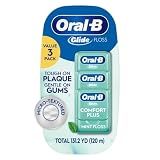
Glide Comfort Plus Dental Floss, Extra Soft, Value 3 Pack (40m Each)
- EFFORTLESS PLAQUE REMOVAL WITH FLEXIBLE, SMOOTH GLIDE FLOSS.
- GENTLY STIMULATES GUMS; HELPS PREVENT GINGIVITIS EFFECTIVELY.
- #1 DENTIST RECOMMENDED; TRUSTED FOR SUPERIOR DENTAL CARE.


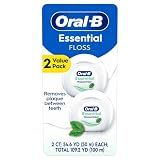
EssentialFloss Mint Dental Floss, Cavity Defense, Waxed, Value 2 Pack (50m Each)
- CLEANS WHERE BRUSHES CAN'T; FOR A COMPLETE MOUTH CLEAN!
- SHRED-RESISTANT DESIGN ENSURES LASTING, EFFECTIVE USE.
- TRUSTED BY DENTISTS: ORAL-B, THE #1 RECOMMENDED BRAND!
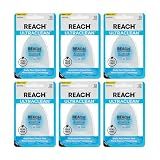
REACH Ultraclean Dental Floss, Mint, Plaque Remover for Teeth, Shred Resistant, Waxed, Easy on Gums & Teeth, Mint, Oral Care, PFAS Free, for Adults & Kids, 6 Pack, 30 yd
- GRAB 2X MORE PLAQUE WITH SUPERIOR 30-YARD MINT WAXED FLOSS!
- GENTLE ON GUMS: TEXTURED AND SOFT FOR COMFORTABLE, EFFECTIVE USE.
- DENTIST RECOMMENDED: TRUST REACH FOR SAFE, SHRED-RESISTANT FLOSSING!
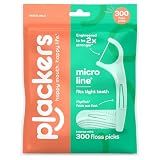
Plackers Micro Line Floss Picks, Intense Mint, 300 Count
- DURABLE TUFFLOSS FIBER RESISTS STRETCHING AND SHREDDING.
- MICRO LINE DESIGN FITS SNUGLY FOR A THOROUGH CLEAN.
- INTENSE MINT FLAVOR FOR A REFRESHING, COOL FEEL.
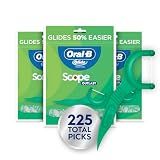
Oral-B Glide Mint Dental Floss Picks with Long Lasting Scope Flavor, 75 Count, Pack of 3
- SLIDES 50% EASIER IN TIGHT SPACES WITH ORAL-B GLIDE TECHNOLOGY!
- ENJOY FRESH SCOPE OUTLAST FLAVOR IN A CONVENIENT FLOSS PICK!
- SMOOTH, SHRED-RESISTANT FLOSS EFFECTIVELY REMOVES PLAQUE EASILY!
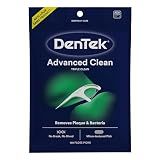
DenTek Floss Picks, Advanced Clean, Plaque Remover, 150 Count
-
ULTRA STRONG DESIGN: 200+ STRANDS ENSURE NO BREAKAGE DURING USE.
-
PLAQUE & BAD BREATH FIGHTER: CLEANS DEBRIS AND FRESHENS BREATH EFFECTIVELY.
-
MULTI-FUNCTIONAL TOOL: TOOTHPICK AND TONGUE SCRAPER FOR COMPLETE CARE.
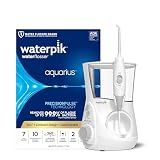
Waterpik Aquarius Countertop Water Flosser with 10 Settings, 7 Tips, White
- CUSTOM CLEAN WITH 10 PRESSURE SETTINGS AND GUM MASSAGE MODE!
- 90+ SECONDS OF USE WITH NO NEED TO REFILL – HASSLE-FREE FLOSSING!
- DENTIST RECOMMENDED AND ADA APPROVED FOR SAFE, EFFECTIVE CARE!
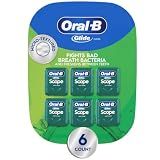
Oral-B Glide Dental Floss with Scope Outlast Mint Flavor, Value 6 Pack (40m Each)
- ENJOY FRESH BREATH WITH SCOPE OUTLAST MINT FLAVOR IN EVERY GLIDE!
- MICRO-TEXTURED FLOSS REMOVES PLAQUE FOR HEALTHIER GUMS AND TEETH.
- DENTIST-RECOMMENDED ORAL-B GLIDE FOR A COMPLETE DENTAL HEALTH PLAN.
Introduction
Flossing is a critical component of maintaining optimal oral health. Yet, many people underestimate its importance, skipping this simple yet effective practice. Navigating the myriad options available can be daunting, especially when you're trying to find the best dental floss deals. This guide unravels the essentials of choosing dental floss, helping you make an informed decision that fits your needs while keeping an eye out for the best prices.
Why Dental Floss Matters
Dental floss plays an essential role in preventing dental conditions such as cavities and gum disease. It removes plaque and food particles from between your teeth and under your gumline, areas that your toothbrush can't reach. Regular flossing can lead to healthier gums, fresher breath, and an overall reduction in dental complications.
Health Benefits of Flossing
- Reduces Plaque: Flossing dislodges plaques that accumulate between teeth.
- Prevents Gum Disease: Regular flossing helps keep gingivitis at bay.
- Promotes Fresher Breath: Removing trapped food particles reduces bad breath.
- Prevents Cavities: Helps fight cavities that begin between teeth.
How to Choose the Right Dental Floss
While finding the best dental floss deals is important, ensuring the floss meets your personal needs is crucial. Keep these factors in mind when choosing:
1. Consider the Type of Floss
Different types of dental floss suit varying dental needs:
- Waxed vs. Unwaxed: Waxed floss glides smoothly between tightly spaced teeth. Unwaxed options offer a thin texture for easy use.
- Teflon or PTFE Floss: These offer shredding resistance, ideal for those with braces or dental work.
- Floss Picks: These are convenient for on-the-go flossing but may not be as effective in cleaning deeply.
2. Assess Your Dental Structure
If you have braces, bridges, or dental implants, consider specialized floss designed to navigate these structures without damage.
3. Comfort Matters
Choose a floss that is comfortable to use. Factors such as texture and thickness can greatly affect your experience. Thinner floss is suitable for tight teeth, while thicker, sponge-like floss might be preferable for those with gaps.
4. Sensitivity and Allergy Considerations
Opt for floss free from known allergens if you have sensitivities. Some people may also prefer flavored floss for a fresher aftertaste.
Flossing Tips for Maximum Effectiveness
Adopting the right technique ensures you reap the full benefits of flossing:
- Use 12-18 inches of floss, allowing a fresh section for each tooth.
- Gently slide the floss between your teeth using a back-and-forth motion.
- Curve the floss around the base of each tooth below the gumline.
- Avoid snapping the floss as it can damage delicate gum tissue.
For more oral hygiene tips, you can check out these travel toothpaste discounts that pair well with good flossing habits during your trips.
Common Flossing Mistakes
Despite their best intentions, people often make common flossing errors:
- Using too little floss, leading to reusing the same section.
- Snapping the floss, which can damage gums.
- Not flossing behind the back teeth where plaque often hides.
FAQ Section
How Often Should I Floss?
For optimal oral health, floss daily. Regular flossing is key to preventing tooth decay and gum problems.
Can Flossing Replace Brushing?
No, flossing should complement brushing, not replace it. Both practices together ensure comprehensive oral care.
What if My Gums Bleed When I Floss?
Mild bleeding can be normal initially if you're not used to flossing. If bleeding persists, consult your dentist as it may indicate gum disease.
Is There an Alternative to Floss?
Yes, options like water flossers can be effective, especially for those with dental work where traditional floss is less effective.
Conclusion
Finding the best dental floss deals involves more than just price. By considering your personal dental needs and preferences, you can select a product that enhances your oral health routine. Remember, combining effective brushing with consistent flossing, supported by some great bluetooth projector discounts for your entertainment, leads to a healthier, happier smile.